

























































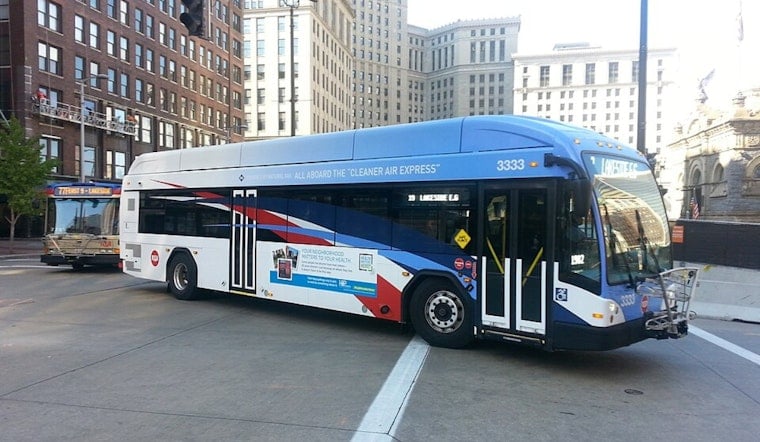
The Greater Cleveland Regional Transit Authority is floating a slate of service cuts that would permanently pull the plug on the downtown B-Line trolley and sideline the Waterfront Line except for special events. The proposal also comes with a mix of frequency cuts and route tweaks across the system as the agency tries to close a looming budget gap. Riders now have a short window to sound off, with public comments open and in-person hearings scheduled this month.
What RTA is proposing
On its website, RideRTA spells out the draft plan in detail. The agency wants to discontinue the B-Line trolley, eliminate the #19B Broadway Fargo branch, run the Waterfront Line only for special events, and trim weekday service on the #78 West 117th–Puritas and #86 Rocky River Dr.–Bagley. Weekend trips on routes such as the #3 Superior and #10 East 105–Lakeshore would be cut back, and the #77 Brecksville route would be shortened west of I-77 with an extension to Columbia Road. RTA says the list also includes other targeted frequency reductions and route realignments, framed as an attempt to protect core service where it can.
Why the cuts are on the table
Agency leaders point to a familiar trio of pressures: rising employee healthcare costs, steeper contractual expenses, and reserves that are slowly getting drained. As reported by Ideastream Public Media, RTA has already gone after vacant positions and other internal savings while warning that deeper service changes may be needed to balance the 2026 budget. A board-level analysis chronicled by Cleveland Magazine details how the authority has leaned on reserves and now faces structural financial pressure heading into 2026.
Who would be hit
Neighborhood riders and transit advocates argue that the impact will land heaviest on people who rely on short, frequent bus and rail trips to get to work, medical appointments, and everyday errands. Riders at St. Clair Place told local reporters that the B-Line is their most straightforward downtown connection. One resident said "it's going to mean a worse experience for everyone," while another pointed out that the trolley is often the only free option to move around downtown. Those reactions were collected by Cleveland Scene as part of its coverage of the proposal.
Waterfront and downtown history
The Waterfront Line comes with a history of on-again off-again service that colors today’s debate over its future. RTA shut down the line in 2021 for bridge repairs and safety concerns, according to reporting by Cleveland 19, and it has seen suspensions and interruptions before. Transit planners and local coverage have also noted that some downtown and crosstown routes log relatively low boardings per revenue hour, one of the metrics the agency uses when it decides which services to cut back or redesign.
How to weigh in
GCRTA is accepting public comment through April 27 and has scheduled three in-person hearings at its main office on April 13, April 15, and April 16. The meetings were also livestreamed and replayed for people who could not make it in person. The full list of proposed changes and instructions for submitting comments are posted on RideRTA. Staff say they will review public feedback before sending a final recommendation to the board, and local reporting indicates the board is expected to make a decision in early May.
Advocates are urging riders to dig into the proposal and speak up, warning that approval of the cuts would reshape how people move around downtown and the lakefront for years to come. RTA officials counter that the measures are designed to keep the system’s core operations intact while confronting what they describe as an unsustainable fiscal outlook. For now, the public comment window and hearings are the clearest chance Clevelanders have to influence what their transit network looks like next year.




.jpg)