

























































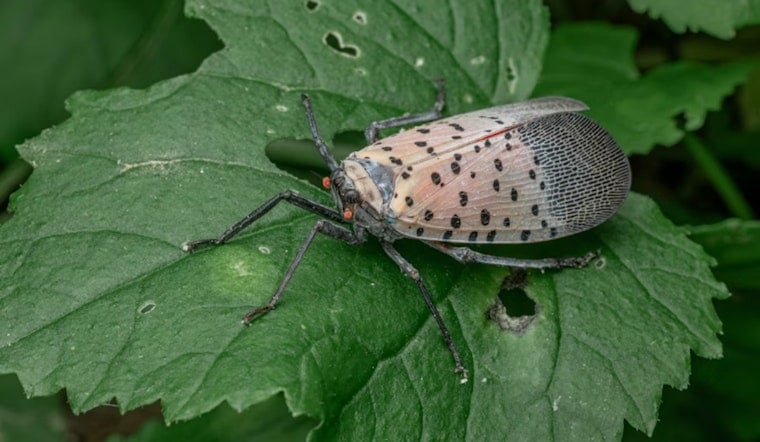
This spring is prime time for Ohio gardeners to hunt down and destroy spotted lanternfly egg masses before they hatch into tiny, hard-to-find nymphs. A little local effort now can noticeably cut the number of pests that end up clustered on backyard vines, fruit trees, and other plants later in the season.
Spring Is Your Best Window
Adults lay eggs from September through November, and those masses will keep hatching through June, producing tiny nymphs that grow through four instars and roughly double in size with each molt. As reported by The Columbus Dispatch, each egg mass averages about 35 eggs, and Ohio typically has one generation per year, so scraping off eggs now can blunt the summer surge that damages grapes, hops, and other crops.
How To Remove Egg Masses Safely
The Ohio Department of Agriculture’s homeowner guide tells residents to scrape egg masses off with a paint scraper or the edge of a credit card, then drop them into a bucket of soapy water or rubbing alcohol to kill the eggs. Researchers have found that fewer than 2% of egg masses on large trees are within a reachable 10-foot zone, leaving roughly 98% out of reach, so ODA warns people not to use ladders or climb in an effort to reach higher clusters. For step-by-step instructions and photos, see the Ohio Department of Agriculture and Penn State Extension.
Nymphs, Chemicals And When To Call A Pro
Newly hatched nymphs are under one-eighth inch long. The first three instars are black with white spots, while the fourth instar turns red with white dots and black stripes and measures about one-half inch. Small nymphs can be crushed or knocked into soapy water, but chemical controls get more complicated. Some contact or systemic products can be effective, yet they may harm pollinators or require licensed applicators. Ohio State and Purdue extension guides outline lower-toxicity options such as horticultural oils and insecticidal soaps, and they recommend consulting certified applicators for larger or recurrent infestations. Details are available from Ohio State University Extension and Purdue Extension.
Cut The Tree Of Heaven To Starve The Bug
Tree of heaven (Ailanthus altissima) is a preferred host for spotted lanternfly, and targeted removal of volunteer trees in yards and along roadsides can reduce local pressure. Reporting and state guidance note that tree of heaven often sprouts in sidewalk cracks and unmanaged urban patches and has aggressive roots that can damage pavement and pipes, which makes spring a sensible time to treat or remove saplings and follow up on stumps. If you are unsure how to proceed, contact your county extension office or a certified arborist before cutting or applying herbicide.
Statewide Response And Local Grants
Ohio placed the entire state under a spotted lanternfly quarantine in February to limit the movement of nursery stock and other materials that can spread the pest, and officials warn the insect is a particular threat to the state’s grape and wine sector. Local reporting shows the Ohio Department of Agriculture also awarded mitigation grants, roughly $65,000 in all, to seven communities and organizations to remove trees of heaven and support outreach and targeted treatments. For more on the quarantine and the grant program, see reporting from WCPO and Spectrum News.





