

























































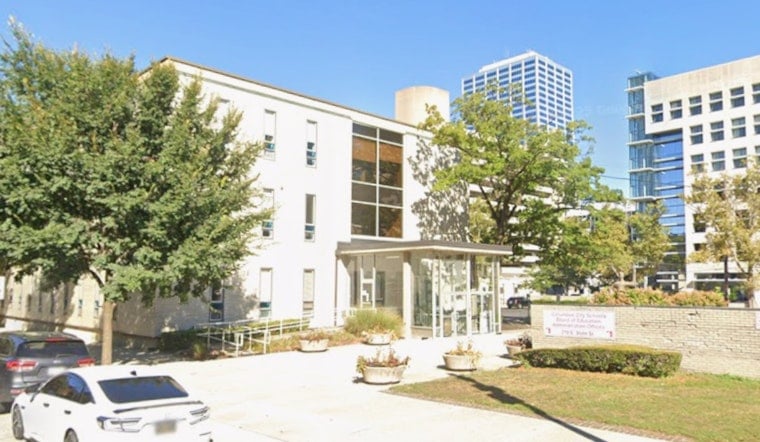
Columbus’ political and education heavyweights are joining forces, rolling out a new joint leadership committee that ties Columbus City Council directly to the Columbus City Schools board. The goal: line up city policy with district needs and test a neighborhood-focused “community campus” model, starting at Northland High School.
Announced Tuesday at Northland, the effort comes with a small grant meant to jump-start a pilot that brings more services into the school building without touching school budgets. Committee members say they will also comb through every district-owned parcel and look at how city land-use tools could help expand affordable housing and co-locate health and family supports around school sites.
Rob Dorans, the council’s president pro tem, said the city must “link arms with our land use policies” as the committee reconsiders how school properties can better serve surrounding neighborhoods, according to WOSU Public Media. That reporting also notes that City Council members announced the grant backing the Northland pilot and that Superintendent Dr. Angela Chapman and board leaders were on hand for the news conference.
Dr. Angela Chapman serves as Columbus City Schools’ Superintendent/CEO, with Dr. Antoinette Miranda as board president and Sarah Ingles as vice president, per Columbus City Schools. The district reports it serves roughly 46,000 students across more than 100 schools, a sizeable property portfolio the committee says it will inventory as it weighs reuse and partnership options.
What A Community Campus Looks Like
The committee is leaning on a model inspired by Cincinnati’s Community Learning Centers, where schools double as neighborhood hubs and host co-located services such as vision and dental clinics, on-site health staff and year-round after-school programming, according to Cincinnati Public Schools. Analysts at the Brookings Institution and elsewhere have pointed to Cincinnati’s system as a place-based template that ties classroom success to supports for families, health and workforce connections.
What's Next For The Committee
Council President Shannon G. Hardin framed the panel as a tool for the city and school board to “align priorities and make smarter, more coordinated decisions,” WOSU Public Media reported. Members said the committee will meet regularly to map district parcels, pursue partnerships that can deliver services on school sites and report back with recommendations and early results from the Northland pilot.
Backers describe the project as a homegrown way to patch gaps in school funding and student services by using municipal tools such as zoning and targeted grants to help school buildings do more for families and neighborhoods. Officials stopped short of laying out a full timeline for larger projects, saying they will roll out specific proposals as the committee’s work and the Northland experiment take shape.



