

























































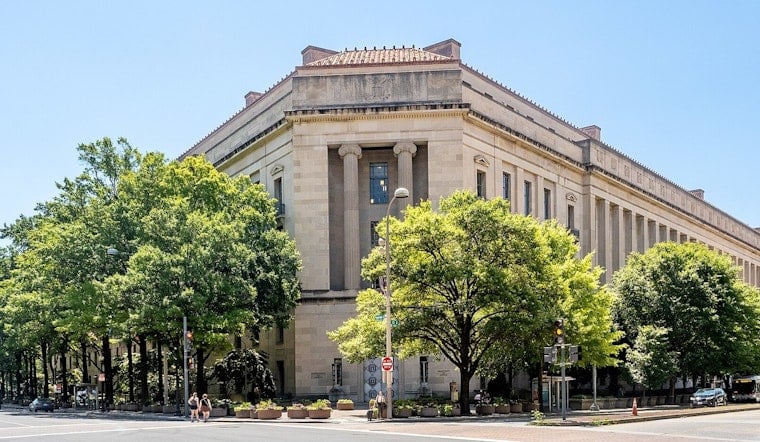
Washington is staring at a sharply different federal death penalty landscape after the Justice Department announced Friday that it will restore federal execution protocols and expand the tools it can use to carry out death sentences. The move brings back pentobarbital for lethal injection and explicitly clears the way for executions by firing squad, ending a moratorium that had paused federal executions and instructing the Bureau of Prisons to get ready to use multiple methods once appeals are finished. The shift is a sudden reversal in federal policy and is expected to spark fast and furious legal challenges.
“Today, the Department of Justice acted to restore its solemn duty to seek, obtain, and implement lawful capital sentences,” the department said, adding that it had ordered the Bureau of Prisons to “expand the protocol to include additional manners of execution such as the firing squad,” according to the U.S. Department of Justice. Acting Attorney General Todd Blanche argued that the prior administration had “failed in its duty” and cast the changes as a way to deliver justice for victims, the statement said.
The announcement lands just months after President Joe Biden commuted 37 federal death sentences in December, leaving only three people still under a federal death sentence, as reported by The New York Times. It also rolls back a 2021 halt to federal executions ordered by Attorney General Merrick Garland, a moratorium that triggered a yearslong review of lethal injection practices and other execution protocols, according to the American Bar Association.
What the Report and Orders Say
The Justice Department released a 52-page review that concludes pentobarbital can be used in a way that complies with the Eighth Amendment, instructs the Bureau of Prisons to return to a single-drug lethal injection protocol, and tells the BOP to “expand the protocol to include additional manners of execution such as the firing squad,” according to the department’s analysis. The report also recommends changes that would shorten some federal habeas and appellate timelines and says the department will weigh a rule that could block certain clemency petitions until direct appeals and an initial collateral attack are completed. The full document is available in Restoring and Strengthening the Federal Death Penalty.
Legal Hurdles Ahead
Defense lawyers and civil rights advocates are already signaling a wave of constitutional challenges, with Eighth Amendment fights expected to zero in on specific execution methods and any procedural moves that might speed up appeals. Critics are likely to revisit longstanding disputes over single-drug pentobarbital, ongoing drug shortages, and high-profile botched executions; the history and advocacy landscape are laid out by the Death Penalty Information Center. Federal courts will also take a hard look at any rules that attempt to limit when condemned prisoners can seek clemency or file habeas petitions.
Reaction and What to Watch Next
National outlets moved quickly on the story; CBS News noted that the department says it has authorized prosecutors to seek death sentences in dozens of cases and plans to take steps to speed up capital prosecutions. That combination almost guarantees fast-tracked litigation in federal courts, pointed questions from Congress, and urgent public statements from victims’ families and advocacy groups as the new policies roll out.
For now, the move rewrites the federal government’s public stance on capital punishment and shifts the fight from policy memos to court filings. Officials have already flagged a fresh round of rule making and legislative work in the coming weeks, and how quickly any of this turns into scheduled execution dates will depend on what judges say and how the Bureau of Prisons and the states handle the logistics.





_(53840386529).jpg)