

























































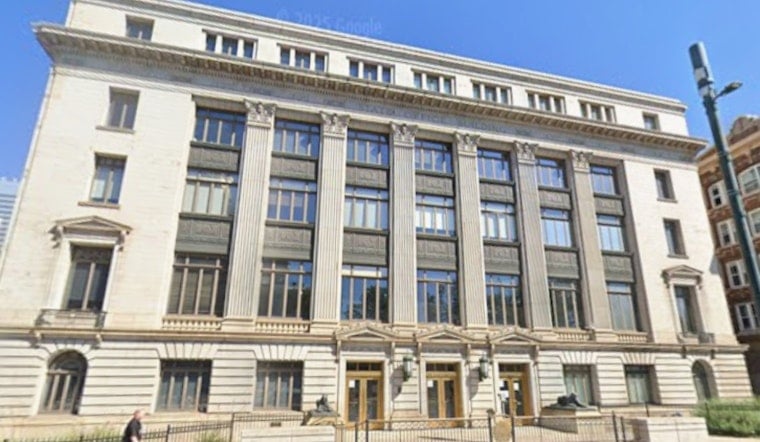
A new audit says Denver’s long-running fire service deals with nearby cities may be great for regional cooperation, but not so great for the local checkbook. The Denver Fire Department has been collecting more than $60 million for providing fire and related services from Sept. 1, 2020, to Sept. 1, 2025, yet auditors say the department still does not have basic systems in place to track what those services actually cost or whether the contracts truly pay for themselves.
According to the Denver Auditor's Office, the department lacks formal processes to identify and track station-level expenses, document expense reimbursements, or collect contract interest on late payments. The review zeroes in on multi‑year intergovernmental agreements that let Denver operate out of, or occupy, fire stations and municipal buildings in Englewood, Glendale, Sheridan, and the Skyline Fire Protection District.
What the audit found
The audit concludes that Denver Fire’s approach to renewing these intergovernmental agreements is “undocumented and informal,” and that the department is not required to conduct a cost‑benefit assessment before entering or renewing contracts. Staff, auditors say, cannot reliably track the actual costs to the City that are tied to these agreements and do not have a clear method to flag and follow expense reimbursements.
As reported by The Denver Gazette, the audit also notes that while the agreements include interest charges for late payments, Denver Fire has not been collecting that interest, in part to keep the peace with partner municipalities. Some of the contracts have stretched on for more than a decade without a fresh look, and renewal decisions have been handled through custom rather than written policy.
“Denver Fire’s positive relationships with other municipalities are not enough to ensure accountability,” Auditor Timothy O’Brien said in the report. Auditors recommended that the department adopt formal renewal timelines, require cost‑benefit assessments, and upgrade its tracking systems so city leaders can clearly see whether the deals still make financial sense for Denver residents.
Money at stake
The audit points out that the intergovernmental agreements come with steady, predictable payments from neighboring jurisdictions. Englewood pays $587,800 monthly, Glendale pays $244,755 monthly, Sheridan pays $212,121 monthly, and the Skyline Fire Protection District pays $454,454 annually. Together, those revenue streams added up to more than $60 million for Denver Fire between Sept. 1, 2020, and Sept. 1, 2025.
Auditors warned that without detailed station‑level expense tracking and clear rules for collecting interest on overdue bills, Denver might be quietly subsidizing suburban fire service instead of fully covering its own costs.
Why critics say the deals are risky
A separate investigation by CBS Colorado earlier this year highlighted the long‑term nature of some of these arrangements, including two 20‑year contracts with Englewood and Glendale. Those deals build in annual payment bumps of about 3 percent, a figure critics say has been overtaken by inflation, rising labor costs, and the ever‑increasing price tag of modern fire equipment.
Experts told CBS Colorado the contracts do not include inflation triggers or regular reassessment requirements that would force all sides back to the table as costs climb. With Denver grappling with a sizable budget gap, some elected officials and watchdogs argue these long‑standing deals should be reviewed sooner rather than later.
Officials’ response and next steps
Denver Fire officials agreed with the audit’s conclusions and told auditors they will adopt all of the recommendations, according to The Denver Gazette. The department says it plans to start formal renewal processes 180 days before each agreement expires, with the fire chief holding approval authority.
Leaders acknowledged that they inherited a largely informal way of managing these contracts and stressed that maintaining close relationships with partner municipalities remains important. At the same time, they have promised new procedures to revisit scopes of service, cost‑sharing formulas, and performance standards on a more structured schedule.
Because the City Council must sign off on any intergovernmental agreement, major changes or renegotiations would likely land in front of council members, and by extension, the public.
What to watch
The next big question is whether Denver will actually try to reopen or renegotiate its longest‑running contracts and how those conversations will play with suburban partners. A follow‑up review from the auditor could test whether the promised reforms are more than paperwork.
CBS Colorado has reported that Denver is wrestling with a multi‑hundred‑million‑dollar budget shortfall, which only increases the pressure to make sure these fire service agreements are financially sustainable. If the city does push for tougher terms, it will also be testing years of regional relationships that Denver Fire leaders say they have carefully built with their neighbors.





