

























































On a corner where shoppers once grabbed groceries, Jerry Ann Hebron is betting a shuttered supermarket can become the North End’s next big lifeline.
Hebron, executive director of Oakland Avenue Urban Farm and the Northend Christian Community Development Corporation, plans to turn a vacant 9,000 square foot grocery at Oakland Avenue and Westminster into a community resilience center to fight food insecurity across Detroit neighborhoods. The vision is a one-stop hub that combines a commercial kitchen, community food storage, an event space and affordable housing under one very large roof.
Hebron has told reporters the project could run roughly $8 to $10 million, with organizers hoping to start initial work this summer and have the facility fully operating by 2028. Farmers and organizers say the center is designed to anchor the North End while also serving nearby neighborhoods from Rosedale Park to Southwest Detroit.
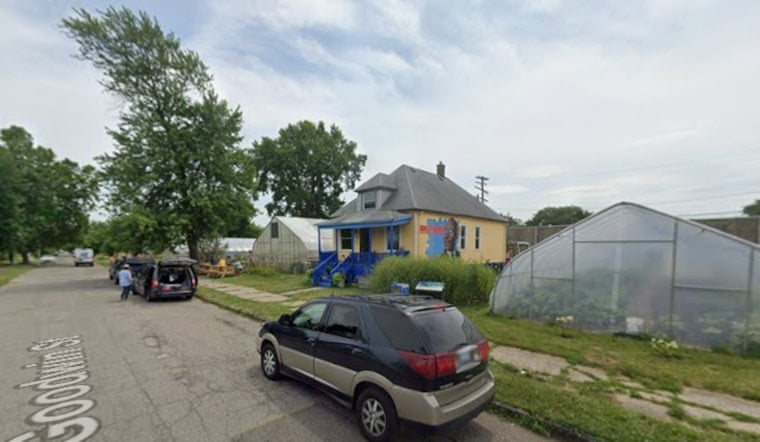
The Oakland Avenue Urban Farm is already a serious operation. It grows more than three acres of produce and sells more than 30 varieties of fruits and vegetables, now stretching across the entire 9100 block of Goodwin Street. As reported by ClickOnDetroit, the resilience center plan is being developed by a coalition of nearby farms, including Cadillac Urban Gardens and Feedom Freedom Farms, that hope to replicate similar indoor food hubs across the city.
The proposal would flip the empty storefront into what organizers are calling a "community resilience center" with refrigeration and storage to keep food safe during power outages, along with a commercial kitchen to help farmers create value-added products. As republished by AOL, The Detroit News reported that the McGregor Fund has already stepped in with initial seed funding, and that leaders say they still need city approvals and significant fundraising to reach the estimated $8 to $10 million price tag.
Farm roots and neighborhood plans
The farm operates as a program of the Northend Christian Community Development Corporation, the neighborhood nonprofit founded by the Rev. Bertha L. Carter. Beyond growing food, it runs youth programming, a farmers market and the Detroit Cultivator community land trust.
According to Oakland Avenue Urban Farm, the site has already doubled as an emergency distribution hub during the pandemic and currently offers community refrigeration and solar-powered outlets. Organizers say those tools are the blueprint for what they want to scale up and build into the new center’s walls.
Hebron has leaned hard on one word to describe the buildout: resilience. "We can be resilient through food, through emergency preparation, through engagement with each other," she said. As ClickOnDetroit reported, corporate volunteer teams from Ernst & Young and students from U of D High, U of D-Mercy and Michigan State have already been putting in work on the farm, helping build community buy-in around the project.
Next steps, timeline and costs
Organizers say the immediate to do list starts with securing control of the building, then finalizing site plans and presenting them to city council for approval before any major construction can begin. As republished by AOL, Hebron told reporters she hopes to kick off initial construction this summer, with a full opening targeted for 2028, assuming fundraising comes through for the projected $8 to $10 million budget.
The resilience center is pitched as a way to stitch more commercial activity back into Oakland Avenue while keeping food, power and jobs close to residents, a long term strategy laid out on the farm’s website. In addition to the planned kitchen and storage facilities, organizers say they intend to link housing and workforce training to long term land stewardship through the Detroit Cultivator community land trust as a guardrail against displacement. According to Oakland Avenue Urban Farm, the project is meant to stay community led and to serve as a model that other Detroit farms can adapt for their own neighborhoods.




