

























































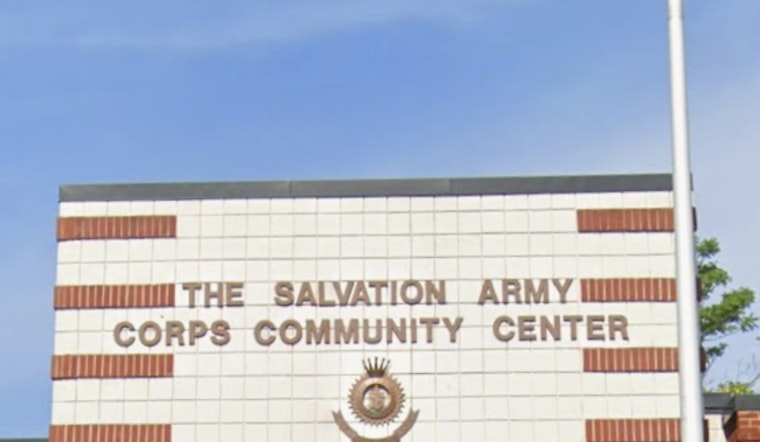
A federal judge has tossed a class-action lawsuit that accused The Salvation Army of running its substance-abuse "work therapy" program as a cut-rate labor pool for its thrift stores, while paying participants only token "gratuities" instead of legal wages. The plaintiffs said many residents in the program were effectively working full-time, handling heavy and sometimes hazardous tasks and, according to filings cited by their lawyers, were getting only small stipends, in some accounts as little as 1 dollar a week.
According to Crain's Detroit Business, the complaint targeted Adult Rehabilitation Centers in the Salvation Army's Central territory and alleged that residents had to participate in "work therapy" that supplied labor to the charity's thrift operations. Legal summaries from Rosen Bien Galvan & Grunfeld recount the claims in detail, including allegations that participants were paid with small canteen cards or cash stipends worth only a few dollars per week.
Where this fits in a nationwide fight
The Detroit case is one piece of a coordinated legal push that began in 2022, when three similar federal lawsuits were filed in New York, Illinois, and Georgia. Those complaints alleged violations of the Fair Labor Standards Act along with various state wage laws. Lawyers for the plaintiffs, including counsel from firms such as Cohen Milstein, argue that ARC residents typically log about 40 hours of labor a week and that the Salvation Army's thrift-store revenues are shored up in part by that low-paid work. Cohen Milstein has tracked the cases and the roster of firms involved.
Courts around the country have not spoken with one voice. Judges in some Illinois and Georgia cases have declined to dismiss the wage claims, allowing discovery and more briefing to go forward, while a California Court of Appeal recently wiped out a lower court ruling that had favored the charity and sent that case back for more factfinding on whether program participants should be treated as volunteers or as employees. The California decision is outlined in the appellate write-up on Justia, and the wider national picture is reflected in the litigation summaries already cited.
Legal implications and next steps
The Detroit dismissal, as described by Crain's, does not shut down the broader fight. Plaintiffs in other courts have won on some threshold questions, and at least one federal judge has recently taken steps toward certifying a class or collective, a move that could expose the Salvation Army to substantial back-pay claims if it holds up on further review. Cohen Milstein has flagged recent developments that plaintiffs say will keep parts of the litigation alive and could set the stage for appeals where judges rule for the charity.
In previous coverage, The Salvation Army has defended "work therapy" as part of job training and recovery efforts, and news reports note that the organization has at times declined to comment on ongoing lawsuits. CBS News has chronicled earlier reporting and statements around the cases, while advocates and attorneys say the split in rulings keeps open thorny questions about how the law protects vulnerable people in treatment programs and how nonprofits can structure rehab models that lean heavily on participant labor.





