

























































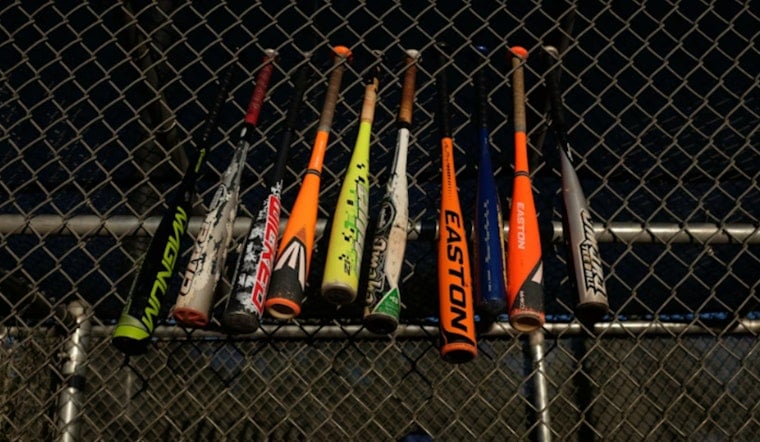
What used to be a simple youth sports registration is turning into a full-blown budget item for many Sacramento-area families. Parents say what starts as a seemingly manageable sign-up fee can quickly swell once leagues tack on refundable volunteer deposits, separate gear deposits and requirements for new uniforms or bats. Families and volunteers worry that the rising price tag is turning organized sports from a neighborhood rite of passage into something closer to a luxury.
Sticker shock shows up fast when parents start comparing leagues. In Rancho Cordova, current registration listings run about $100 for tee-ball and up to $250 for older divisions. Pocket Little League posts tee-ball at $150, with AAA and Majors divisions around $200 depending on age. Rocklin Little League tops out at roughly $290 this year, with league officials saying those increases help pay for basics like jerseys, insurance and field utilities. These local price points and league explanations were detailed by Abridged (PBS KVIE).
National data shows the same squeeze
The Sacramento experience lines up with what national researchers are seeing. A recent parent survey from the Aspen Institute’s Project Play initiative found that in 2024, the average U.S. family spent $1,016 on a child’s primary sport, a 46 percent jump since 2019. Project Play estimates that parents now spend more than $40 billion a year on kids’ sports and warns that the post-COVID rebound has intensified pressure on families to shell out for club teams, travel tournaments and private coaching.
Where the sticker shock shows up
For many local parents, the real jaw-dropper is not the initial registration fee but everything wrapped around it. One Roseville parent told reporters she paid a $500 registration fee, was then asked for a separate volunteer deposit and a gear deposit, and still ended up spending nearly $400 at a sporting-goods store to fully outfit her child. Other parents say teams and travel programs quietly steer families toward higher-end bats and cleats, even when a player’s skill level does not require top-shelf gear. Those anecdotes and examples were reported by Abridged.
Help exists, but it’s limited
Local nonprofits and leagues say they are trying to keep cost from becoming an automatic barrier. The Elk Grove Youth Sports Foundation runs a scholarship program and provides an application on its website, and some leagues in the region offer payment plans or reduced fees. The Elk Grove Youth Sports Foundation also highlights fundraising events aimed at boosting scholarship funds, while Pocket Little League notes payment plans and financial assistance options directly on its registration page.
Even with those efforts, volunteers and foundation leaders say demand for help is rising faster than small scholarship pools can handle. Program organizers are left juggling hard choices, weighing higher registration fees against the basic need to keep fields maintained and lights on. Analysts with Project Play argue that broader, systems-level fixes are needed to keep youth sports within reach, warning that without larger policy and community responses, the gap between kids who can afford to play and those who cannot will continue to widen.





