

























































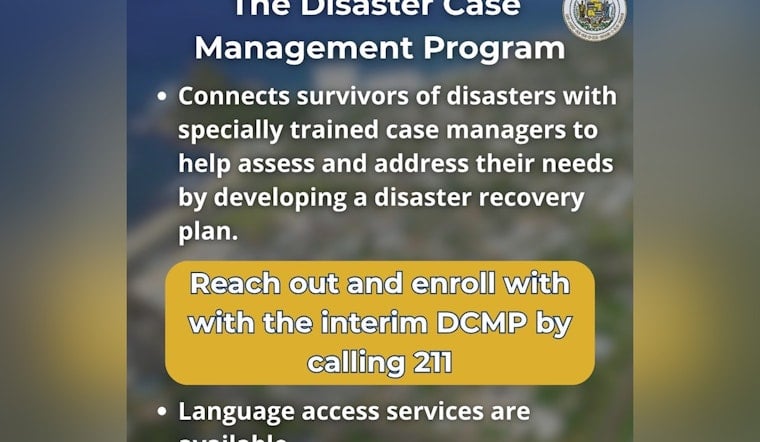
Hawaii is rolling out emergency help for storm survivors as fast as it can. Governor Josh Green announced Saturday that the state has launched a statewide interim Disaster Case Management Program to support residents hit hard by the recent Kona low storms. The program will match affected households with trained case managers who can help line up housing assistance, financial referrals and mental health support. State and county recovery teams are coordinating to find people with the greatest needs, and residents are being told to watch for outreach from local emergency management offices and community partners in the coming days.
What Officials Announced And Why It Matters
In a post from Governor Josh Green on X, the administration said the statewide interim DCMP is being rolled out in partnership with the Hawaiʻi Emergency Management Agency and every county to link impacted households with case managers. In a separate news release, the governor's office described the two Kona low events, from March 10 to 16 and then again starting March 19, as causing widespread flooding, landslides and infrastructure damage, and said total losses could exceed $1 billion.
How The Program Works And How To Get Help
The Disaster Case Management Program first came online after the 2023 Maui wildfires and has been extended to support long term recovery. The Hawaiʻi Department of Human Services says DCMP connects survivors with trained disaster case managers who help build individualized recovery plans and coordinate referrals. County guidance notes that residents can enroll by calling 2-1-1 and should expect a DCMP team member to follow up in about 48 hours. Case managers can assist with housing support, legal aid and mental health referrals. Maui County's guidance lays out the intake timeline and basic eligibility information the state program uses.
Where To Find Help On The Ground
The Hawaiʻi Emergency Management Agency has created a Kona Low resources page that lists on the ground supports such as water tankers and mobile clinics deployed to hard hit neighborhoods on Oʻahu and other islands. HIEMA's news release directs residents to shelter sites, drinking water distribution locations and county contacts. Local nonprofit partners and county recovery offices are handling intake and referrals alongside state teams to cut red tape and speed up assistance.
Why This Matters Now
Officials say the interim DCMP is meant to fill gaps in support while the state's request for a Major Disaster Declaration is under federal review and FEMA programs are considered. Federal aid would open the door to more individual assistance and hazard mitigation support. Hawaii News Now reports that the state's congressional delegation has pushed for expedited federal action. State leaders say households that document damage, keep receipts and enroll with DCMP will be in a stronger position to access both short term referrals and long term recovery services.
Immediate Steps For Residents
Residents looking for help now are being urged to call 2-1-1 or check county and state resource pages, including the state's Kona Low hub and the DHS DCMP guidance, for enrollment details. HIEMA's Kona Low resources and the DHS DCMP page list current contact information and program FAQs for storm survivors trying to navigate their next steps.





