

























































Houston jeweler Johnny Dang, better known as the "King of Bling," is dealing with a new kind of problem that you cannot fix with a polishing cloth: hyper-realistic AI videos that swipe his face, his voice and his brand, then spin completely false stories about him and his business. The clips have been bouncing around social platforms and spooking customers, collaborators and casual viewers. It is a very modern mess, and a reminder of how fast synthetic media can turn into a neighborhood reputation crisis.
As reported by FOX 26 Houston, a segment posted April 1 shows several viral clips that misrepresent Dang and his shop and tracks how those videos are spreading online. The piece highlights the convincing visual edits and fabricated audio that make the footage feel real to many viewers, then walks through the early steps Dang's team is taking to push back on the posts.
Local shop, national reach
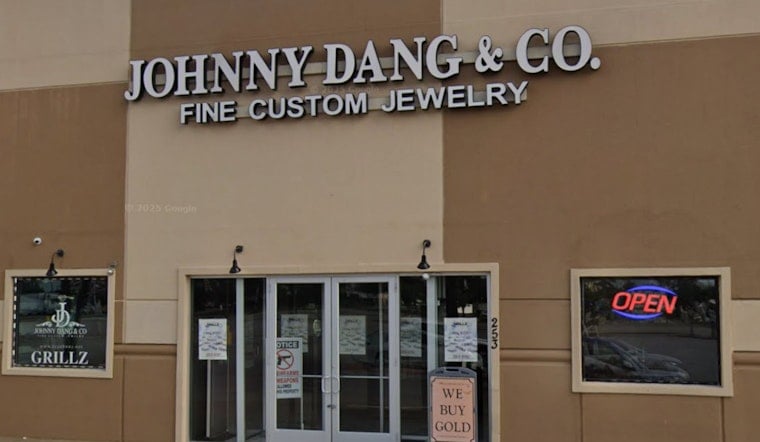
Dang's celebrity clientele and big social following mean that anything that even looks like him can blow up fast. His site, Johnny Dang & Co., showcases his Houston storefront and the high-profile commissions that keep his name circulating far beyond the city. Put that recognizable face together with platforms built to reward engagement, and one fake clip can travel well outside the neighborhood in a hurry.
How the fakes spread
Researchers and reporters say the latest text-to-video and face-synthesis models can crank out footage that looks startlingly real from very little source material. TechCrunch has recently highlighted demo tools that build lifelike scenes from a single reference image. At the same time, platforms and fraud investigators are seeing synthetic assets show up in impersonation schemes and romance scams that lean on trust and fandom, as Axios has reported. Better tools plus built-in social amplification add up to a perfect recipe for deceptive clips to go viral fast.
Legal and platform options
On the legal side, federal policy is starting to catch up. The Take It Down Act creates a notice-and-removal process and gives regulators new enforcement authority for nonconsensual or deceptive imagery, AP News explained. The law and related measures push platforms to move more quickly when victims ask for takedowns, although advocates caution that over-broad removals are a risk. For businesses and public figures, it at least lays out clearer paths to request removals, even if it cannot stop that painful first wave of viral damage.
What Dang Is Doing
The FOX 26 Houston segment shows Dang going on offense. He is flagging the clips, warning followers not to trust unverified posts and asking platforms to take down the most misleading uploads. His team is urging customers and collaborators to stick to official channels for announcements and to treat sensational videos with a heavy dose of skepticism. It is a familiar playbook for public figures who find themselves turned into targets by synthetic impersonation.
How to spot and report
Experts recommend slowing the video down and watching for tiny visual or audio glitches: lip movements that do not quite match, eyes that seem to track unnaturally or audio that stutters or feels slightly off. They also suggest checking whether platforms have added labels that mark content as AI-generated, something highlighted in coverage from TechCrunch and in law-enforcement advisories. The FBI has warned that AI-generated voice and video scams are on the rise and advises people to verify independently and report suspicious material both to platforms and to the Internet Crime Complaint Center (IC3). If you believe a forgery is harming a person or business, officials say to save screenshots and URLs, use the reporting tools on the platform itself and consider filing a complaint with authorities.
The Johnny Dang situation is a local reminder that synthetic video does not just live in tech blogs or policy papers. It can land in a Houston feed, stain a real business and spark very real confusion. For Houston shops and public figures, the strongest defenses for now are vigilance, quick use of platform takedown tools and the legal remedies that are only starting to come into focus.




