

























































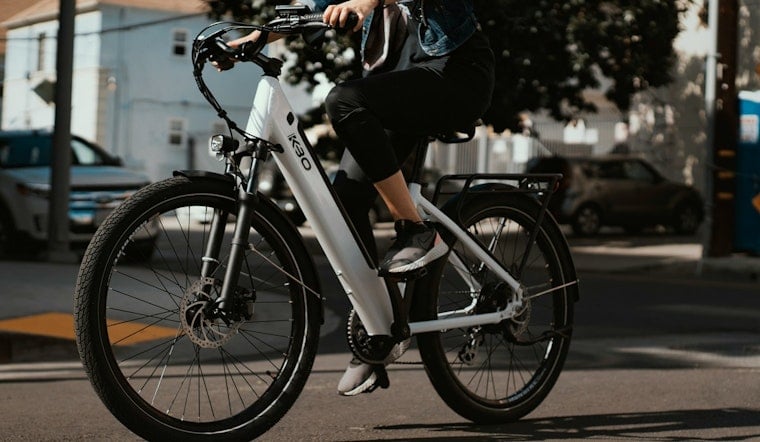
Los Angeles e-bike riders are showing up at local trauma centers in record numbers, and the injuries are getting uglier. The Los Angeles Police Department says crashes have climbed to all-time highs, with more riders suffering serious head, neck and facial trauma. Officials point to faster bikes and hit-or-miss helmet use as key drivers of the spike.
The warning came in a post on X from LAPD HQ. The department laid out California's e-bike classes, urged riders to gear up with proper protection and linked to training resources, along with a quick checklist of safe-riding tips for city streets.
Why speed and helmets matter
National research backs up what LAPD says it is seeing on the ground. From 2017 to 2022, emergency visits and hospitalizations tied to e-bicycles rose sharply, and head-trauma cases climbed dramatically in the same window. That analysis, along with follow-up work, singled out declining helmet use and higher operating speeds as leading contributors to more severe injuries, according to JAMA Surgery.
What California law requires
Under state law, e-bikes fall into three classes based on how the motor kicks in and the top assisted speed. Class 1 and Class 2 bikes assist up to 20 mph. Class 3 bikes assist up to 28 mph and must be ridden only by people 16 and older. Those definitions and age rules are laid out in Vehicle Code §312.5. Statewide safety materials and training are available through the California Office of Traffic Safety's Go Safely, California campaign.
What surgeons and pediatric centers are seeing
Trauma surgeons say e-bikes now account for a disproportionate share of high-severity cases, a trend the American College of Surgeons describes as an emerging public-health concern. Pediatric researchers at Rady Children's have tied higher e-bike speeds to increased rates of head, neck and internal injuries and reported a sharp year-over-year rise in e-bike trauma visits, according to Rady Children's.
How riders and the city can respond
Experts are not short on practical advice. They recommend wearing a helmet designed for higher-speed e-bikes, and many authorities point to NTA-8776-rated models as a better match for Class 3 machines. Riders are told to keep bikes within their labeled class, avoid tampering with speed limiters and enroll younger riders in supervised training so they are not learning traffic etiquette the hard way.
The U.S. Consumer Product Safety Commission has also zeroed in on product hazards, including damaged or uncertified batteries. The agency urges riders to follow manufacturer guidance and recognized safety standards, as noted by the CPSC and coverage of helmet standards in CyclingNews.
For now, LAPD and local health officials say the fastest tools they have are enforcement, education and safer riding habits, while the city, state agencies and hospitals keep tracking the toll. Riders unsure about a bike's class or safety features are urged to check manufacturer labels or state resources before taking it onto Los Angeles streets.





