

























































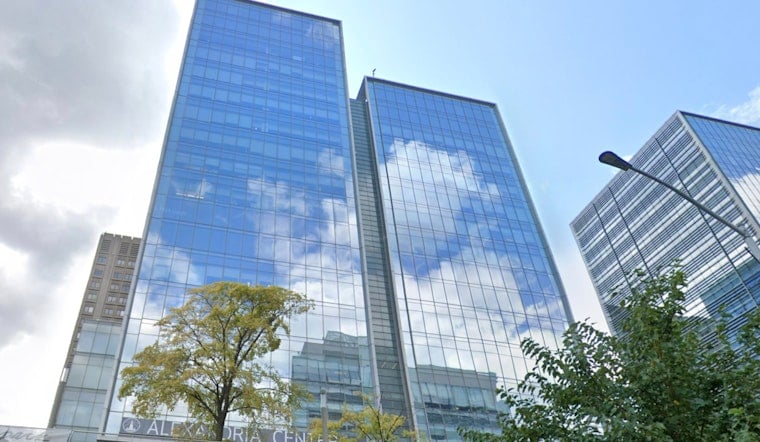
MeiraGTx, a gene therapy player with operations in New York and London, has priced a stock offering expected to raise roughly $100 million after cutting a deal this week to reacquire a late‑stage eye therapy from Johnson & Johnson. The asset, botaretigene sparoparvovec, or bota‑vec, is a one‑time gene therapy candidate for X‑linked retinitis pigmentosa. The share sale gives MeiraGTx fresh firepower as it moves the program back toward regulators and a possible commercial rollout.
Deal terms and what MeiraGTx bought
MeiraGTx closed an asset purchase with Janssen, a Johnson & Johnson company, on April 15, 2026, paying $25 million up front and agreeing to a one‑time $50 million contingent payment tied to U.S. approval and sales thresholds, according to the company's SEC filing. The agreement calls for royalties in the mid‑teens on global net sales beginning in mid‑2029 and includes customary indemnities and manufacturing‑transfer provisions. The deal returns the RPGR license and related clinical data to MeiraGTx, which originally developed the program before handing it to big pharma.
Why bota‑vec matters
Bota‑vec delivers a functioning RPGR gene to the retina and could become the first approved treatment for a form of inherited blindness that affects thousands of patients. Advocacy groups flagged the reacquisition as a sign of renewed momentum, and MeiraGTx has said it plans to pursue filings in the U.S., EU and Japan, with a potential 2027 launch window, as reported by the Foundation Fighting Blindness.
Stock offering to fund regulatory push
To bankroll the next phase, MeiraGTx priced an underwritten offering of 11,111,111 ordinary shares at $9.00 per share, aiming to raise about $100 million in gross proceeds, with BofA Securities and Goldman Sachs acting as joint book‑running managers, the company said in a MeiraGTx statement. The company said the net proceeds, together with existing cash, are expected to fund operations, including potential commercial launches of bota‑vec and an AAV‑hAQP1 program for radiation‑induced xerostomia, into the second half of 2028.
Trial outcomes and the evidence
Johnson & Johnson’s Phase 3 LUMEOS study of bota‑vec did not hit its novel primary endpoint, a Visual Mobility Assessment maze, although it showed a positive trend, with treated patients 2.4 times more likely to respond and statistically significant gains on several secondary measures, including retinal sensitivity and low‑luminance vision, according to MeiraGTx’s SEC filing. MeiraGTx also reported that safety results were consistent with expectations and that about 40% of treated patients improved on two or more endpoints, compared with none in the control arm.
Local footprint and manufacturing
MeiraGTx lists a New York office and multiple European manufacturing sites, assets the company says could speed commercial readiness, and identifies New York as a principal executive office on recent filings. The company views ownership of in‑house vector manufacturing as a strategic edge as it prepares regulatory submissions and potential scale‑up, and has pointed to the share offering as one way to support those efforts, per MeiraGTx.
Legal and investor notes
Market coverage of the filings highlights that Johnson & Johnson’s venture arm, JJDC, holds a significant equity stake and agreed to a 12‑month restriction on selling its MeiraGTx shares after the closing. The underwritten offering is expected to close on or about April 17, 2026, subject to customary conditions, according to market reports summarizing the deal.
For New York biotech watchers, the story is about both cash and control. MeiraGTx has pulled a late‑stage program back from big pharma and lined up the capital to try to turn mixed Phase 3 signals into a regulatory case. Patients, investors and local manufacturing teams will be watching the next filings and the tricky tech‑transfer steps that follow.



