

























































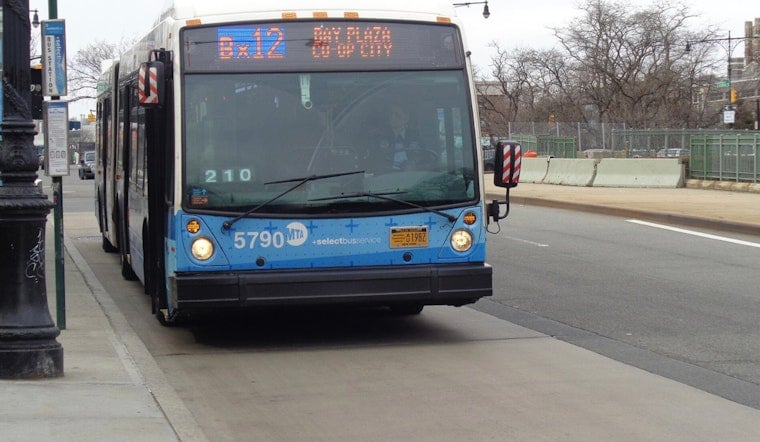
The MTA is kicking off a citywide rollout of its so-called European model for fare enforcement on local buses, arming civilian EAGLE teams with handheld readers that verify OMNY tap-and-pay transactions. Riders should brace for more spot checks on regular bus routes and may be asked to show proof of payment after they board. Agency officials say getting these verification tools working is a must before any broader all-door boarding plan can move forward.
As reported by amNewYork, NYC Transit President Demetrius Crichlow said EAGLE teams will carry handheld devices that confirm recent OMNY taps. MTA Chair and CEO Janno Lieber told the outlet the agency is still deciding whether checks can happen while buses are moving. According to the report, the devices are designed to validate payments only, not to accept fares or store riders' financial or personal data.
How EAGLE teams will work
The EAGLE teams - civilian fare-inspection squads that have patrolled Select Bus Service routes since 2008 and expanded to local stops in recent years - will focus on high-evasion "bus stop hubs" while coordinating with NYPD support, according to the MTA. In an MTA statement, the agency said inspectors will both educate riders about fare options and issue summonses at targeted locations in an effort to improve equity and recover lost revenue. The strategy is to pair visible enforcement with Fair Fares outreach so lower-income riders have a better shot at avoiding penalties.
Validators, limits and reliability
City watchdogs and official reports note that the handheld Onboard Validation Devices, or OVDs, can verify OMNY taps from phones, contactless bank cards or OMNY cards. They cannot read MetroCards and have at times failed to recognize recent payments, partly because of spotty connectivity on buses. The New York City Comptroller flagged those technical issues in a review and warned that validator glitches could yield false negatives and unfair summonses unless both the devices and the inspection procedures are tightened up before broad deployment. Officials cite those concerns as one reason they will not commit to all-door boarding until the verification system proves it can be trusted.
What riders should know
Riders who cannot show proof of payment during a check may receive civil summonses, which are handled through the MTA's Transit Adjudication Bureau. The agency provides guidance on how to pay or contest a notice and how to enroll in Fair Fares. The Citizens Budget Commission and other analysts say the enforcement push is part of a bigger effort to claw back hundreds of millions of dollars lost each year to bus fare evasion and to remove operational barriers to faster boarding. Transit advocates counter that the rollout has to safeguard reduced-fare riders, people without smartphones and passengers whose valid taps fail to register.
The changes arrive as the MTA winds down MetroCard sales - retail sales ended at the close of 2025, according to reporting - and OMNY becomes the standard across the system. That means riders should have an OMNY payment method ready or be prepared to show recent tap history if asked. Officials say checks will be targeted at first and that the rollout timeline will depend on device reliability and staff training. Riders with questions are directed to MTA resources and Fair Fares enrollment information for help.



