

























































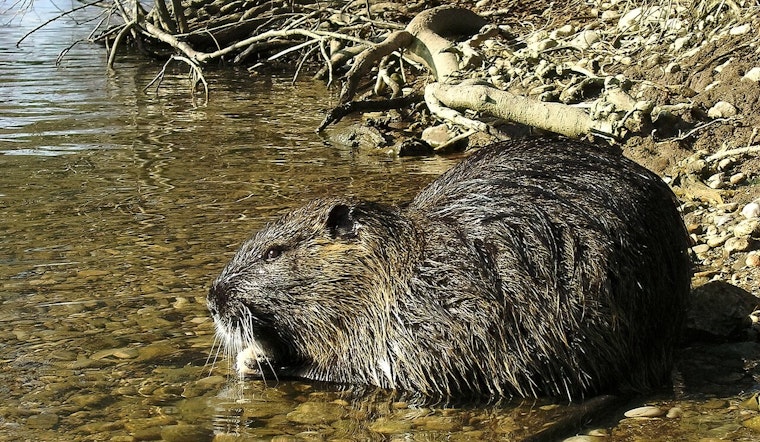
Nutria are back in California, and this time the usual suspects are not to blame. State wildlife scientists say DNA evidence has finally cracked a lingering mystery over how the large, semi-aquatic rodents - notorious for chewing through levees and wetlands - resurfaced in the Central Valley after being wiped out in the 1970s.
A genomic study published April 7, 2026, traces the current Central Valley infestations to a population in central Oregon and concludes the animals were most likely introduced recently, not hiding out undetected for decades. The findings land after years of trapping and millions of dollars in state spending to stop the invasive rodents before they turn California's waterways into Swiss cheese.
Genetics points to an Oregon source
According to a news release from the California Department of Fish and Wildlife, researchers in CDFW's Wildlife Genetics Research Unit compared DNA from California nutria with samples from other U.S. populations and found the modern California animals are most genetically similar to those in central Oregon.
The department also reports its Nutria Eradication Program has removed 7,841 nutria in California since 2017 and that eradication work now costs about $5 million per year. "Genetics allowed us to narrow down the most likely source of California's nutria population," CDFW research scientist Kristen Ahrens said in the release.
The peer‑reviewed study, Population Genomic Insights Into Recent Nutria Invasion Dynamics, used thousands of genome‑wide markers (roughly 6,809 SNPs) plus mitochondrial cytochrome‑b sequences and direct comparisons with museum skins and skulls to reconstruct likely movement and founder events. The authors report a single contemporary California haplotype shared with Oregon and Washington samples, a pattern they say lines up more with a recent reintroduction than a decades‑old remnant population.
What managers are doing on the ground
CDFW's Nutria information pages lay out a sprawling on‑the‑ground response: visual observation surveys, motion‑detection cameras, scat‑detection dogs and targeted trapping across wetland and riparian habitat from San Pablo Bay to Kings County.
The eradication program chops suitable habitat into grid cells, sends detection teams across that checkerboard and, in some locations, uses sterilized, GPS‑collared "Judas" animals to help locate hidden colonies. Those efforts are paired with necropsy and genetic sampling that flow back into monitoring and strategy, creating a feedback loop between lab findings and fieldwork.
Legal consequences and policy
The research also raises uncomfortable enforcement questions because California law makes it unlawful to import or transport restricted wild animals without authorization. Fish and Game Code section 2118 bars importing, transporting or possessing certain listed wild animals without a revocable, nontransferable permit, and Title 14, section 671 governs permits and restricted species regulations.
If animals were intentionally moved across state lines, those actions could trigger administrative penalties or enforcement by state wildlife officials. For now, the DNA findings add a scientific breadcrumb trail to what could become a regulatory problem.
Money and scale
Eradication has turned into a massive logistical and fiscal undertaking. State budget documents show the Nutria Eradication Program operates across an 8.3‑million‑acre project footprint, has identified more than 13,000 suitable sites and - at current staffing levels - is able to survey and trap only a fraction of them each year.
According to a report from the Senate Committee on Budget and Fiscal Review, CDFW has requested additional positions and multi‑year funding to sustain operations and warned that expiring grants and limited staff could hamper eradication progress.
Science's practical payoff
Beyond pinning down where the animals came from, the study gives managers a global reference dataset and genetic markers that can help trace future detections and prioritize monitoring, according to the study's publicly archived data on Dryad. The authors recommend treating the Central Valley as a single eradication unit and focusing resources on dispersal corridors - guidance that could help agencies refine where they deploy Judas nutria, detection dogs and other tools to mop up remaining pockets.
For farmers, levee managers and restoration projects in the Delta and Central Valley, the findings are a blunt reminder of how quickly a small introduction can blow up into a landscape‑level problem. State officials say genetics will sharpen search efforts, but the study and budget records together make clear that getting rid of nutria will remain expensive and slow unless resources and detection capacity are expanded.





