

























































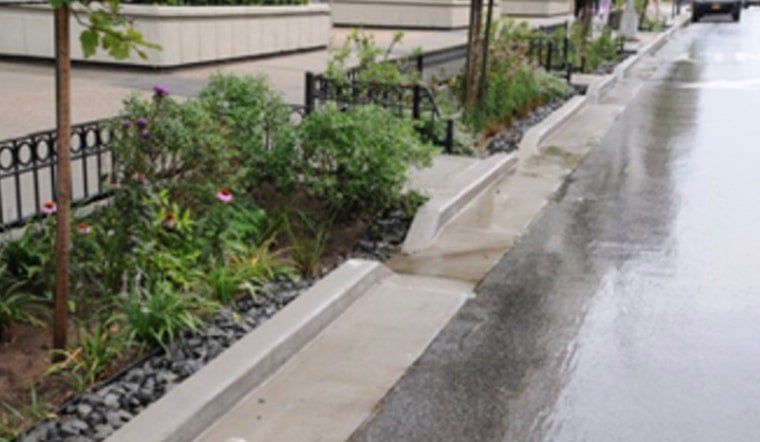
New York City is sending a new kind of crew to the streets of Brooklyn and Queens, and their tools are more pruning shears than parking tickets. Mayor Zohran Mamdani’s administration and the New York City Department of Environmental Protection (DEP) have launched a $4.5 million, three-year pilot that trains New Yorkers for green jobs while keeping street-level stormwater defenses in working order.
The program, called GROW (Green Readiness Opportunities for the Workforce), will put an 18-member team to work maintaining more than 1,000 curbside rain gardens in neighborhoods including East New York and South Ozone Park. Organizers say the effort pairs hands-on horticultural training with pathways into longer-term employment for residents who often get shut out of the job market.
“Every New Yorker has a role to play in building a greener, more resilient city,” Mayor Zohran Mamdani said at the rollout, which was timed with Earth Day. According to the Mayor's Office, the funding will support training and career development over three years. City officials say the pilot is designed both to strengthen the pipeline for green jobs and to keep nature-based infrastructure ready when the next big storm hits.
Training, crews and partners
GROW blends classroom instruction, fieldwork and career support to prepare crew members for roles in stormwater management. The 18-person crew is tasked with maintaining 1,035 rain gardens across East New York and South Ozone Park, with The Doe Fund running day-to-day operations and Gowanus Canal Conservancy and Public Works Partners providing technical support, as reported by Brooklyn Paper.
Crew members will handle the unglamorous but essential work: pruning, debris removal, soil amendments and seasonal watering to keep the gardens functioning through heavy rains. Skipping that maintenance can turn a rain garden into little more than a decorative planter.
DEP Commissioner Lisa F. Garcia described the pilot as a way to “create access to good jobs and provide meaningful training in a growing field,” and The Doe Fund’s Jennifer Mitchell framed the effort as a bridge into the green economy, according to the Mayor's Office. Officials say the program is intentionally recruiting people with barriers to employment, including histories of incarceration, homelessness or substance use, and pairing wages with wraparound services.
Why rain gardens matter
Rain gardens are planted curbside systems that capture stormwater before it rushes into sewers. They help prevent street flooding and filter pollutants before runoff reaches rivers and bays. The DEP notes that each one can hold up to about 2,500 gallons and is part of a growing green-infrastructure network that the city says cuts down on sewer overflows, per the NYC DEP. If they get clogged with trash or choked by overgrowth, though, their ability to soak up stormwater drops fast.
City officials say roughly half of the gardens covered under the pilot are in East New York, with the rest mainly in South Ozone Park. The program was unveiled during an Earth Day event at Gowanus Canal Conservancy’s Lowlands Nursery, and local reporting noted that DEP focused on neighborhoods with higher flood risk, according to the Brooklyn Eagle. At the launch, conservancy staff walked attendees through a hands-on demo of plant selection, debris removal and other routine tasks crews will be doing on the job.
Leaders at Gowanus Canal Conservancy say the collaboration builds on years of local stewardship and training work and that smart plant choices are crucial for rain gardens that can bounce back from heat, storms and salt, per Brooklyn Paper. Organizers also highlight a community angle: crews will flag damage to infrastructure and work with residents to keep the gardens clear and functioning.
The Doe Fund is handling recruitment and training for the pilot and has posted links to coverage and partner information on its media hub. More details on the program, partners and launch events are available through DEP news releases and The Doe Fund press page.





