

























































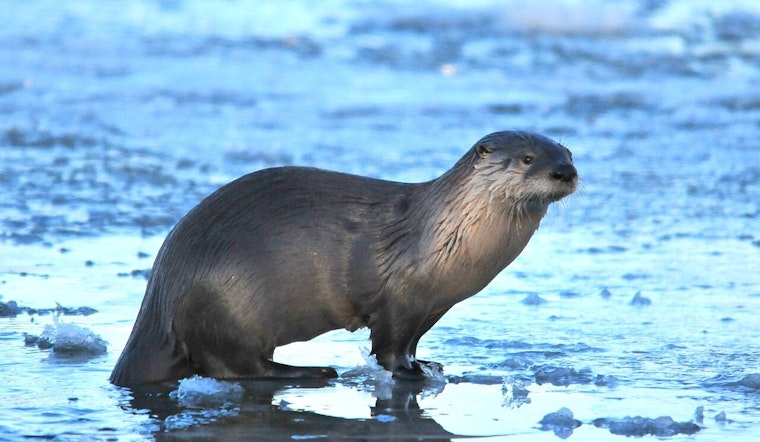
Central Texas rivers are suddenly looking a lot more lively. In recent years, locals have been spotting river otters from the San Marcos headwaters through the San Antonio River watershed and up toward Waco. Biologists are paying close attention, since these sleek, whiskered predators only stick around when there is plenty of fish and clean, healthy habitat. Their return has river managers and scientists weighing habitat fixes and dam projects that could help wildlife move more freely along the waterways.
Where They Have Been Spotted
The San Antonio River Authority reports it documented its first North American river otter in the agency’s upper watershed last March. Since then, the authority has logged additional reports near Goliad and along the San Marcos River. Farther north, a Texas real-estate agent captured video of otters near Waco in January, as reported by Spectrum News.
What Experts Say and the River Work Underway
Alicia Ramsey, senior watershed ecologist at the San Antonio River Authority, told Spectrum News, “There have been more and more sightings for people throughout Central Texas.” She said the uptick likely comes down to food and habitat availability. To improve passage for fish and other wildlife, the River Authority has secured funding and plans to retrofit or remove the Otilla Dam at Trueheart Ranch Nature Park in coming years, a project the agency says will reconnect miles of river and strengthen habitat for species like otters, according to the San Antonio River Authority.
Why Biologists Care
River otters are native to Texas and once ranged far more widely across the state. They feed on fish, crayfish and frogs, according to the Texas Parks & Wildlife Department. Texas State University’s Meadows Center and local reporting note that the San Marcos River went roughly 70 years without a documented river otter before sightings started again in 2021, a comeback scientists link to conservation efforts and cleaner spring-fed flows, as reported by MySA.
How To Watch Them and Keep Them Safe
Otters usually steer clear of people, but they can bite or scratch if cornered. River managers urge onlookers to keep a respectful distance, leash their pets and avoid trampling sensitive riverbanks. The San Antonio River Authority also recommends using established access points, picking up litter and reporting unusual wildlife sightings so crews can protect riparian habitat and keep tracking the otters’ return, according to the San Antonio River Authority.
How To Report a Sighting
If you spot an otter, officials suggest quietly noting the time and exact location, then uploading any photos to iNaturalist or sharing them with local research programs so scientists can better track how the animals’ range is shifting. The Meadows Center at Texas State University runs research and education programs around Spring Lake and collects wildlife observations that help managers decide where to focus restoration work, according to the Meadows Center.




.jpg)