

























































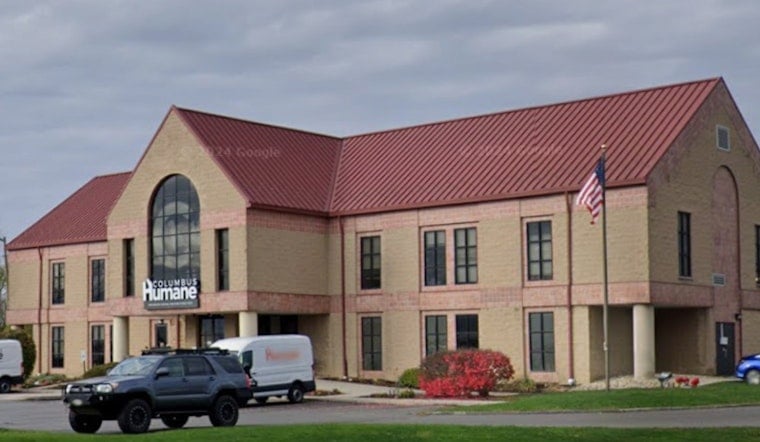
Columbus Humane staff say this spring has brought a wave of dogs so thin they need carefully timed meals, medical monitoring and a lot of patience just to get back on their paws. The animals are landing in the shelter looking skeletal, yet many of the stories behind them are less about intentional cruelty and more about families who simply cannot afford food or vet bills. Volunteers say the team is working hard to keep pets with their people whenever it is safe to do so, but space, staffing and budgets are all getting squeezed. The spike in needy arrivals has forced the nonprofit to juggle resources between emergency medical care and stepped-up community support.
Investigations Up 20 Percent This Year
From January through March, Columbus Humane opened 297 investigations into emaciated dogs, up from 246 during the same stretch in 2025, a jump of roughly 20%, according to The Columbus Dispatch. Chief advancement officer Brittany Williams told the paper, "Oftentimes, when you see a skinny dog, you're also going to see a family that is struggling." Shelter leaders note the numbers could level off or climb again as the year goes on, but the early surge has already changed how they triage calls and where they send staff first.
How Columbus Humane Is Responding
To keep more animals out of crisis, Columbus Humane has expanded services at its Essential Care Center, which focuses on getting food and basic veterinary care to households that are barely hanging on, according to Columbus Humane. The center runs a pet food pantry, low-cost wellness exams and vaccine clinics. Its drive-through system and warehouse are set up so donated food can move fast to families who need it, and staff also arrange field visits and drop-offs for people who cannot get to the site. For urgent help with pet food, the shelter directs callers to 614-602-6700 and posts appointment slots for pickup online.
Medical Risks And Fragile Recoveries
Veterinarians warn that when an animal comes in severely underweight, feeding them too much too fast can do real damage. In the toughest cases, staff rely on IV support or tiny, frequent meals to avoid dangerous stomach and metabolic problems, Williams told The Columbus Dispatch. The Dispatch pointed to Willow Rose, a 9-month-old German shepherd mix surrendered when her family could no longer afford to feed her, while her brother Aspen has already been adopted. That kind of case shows both the financial strain behind the statistics and the slow, careful work it can take to bring a starving dog back to health.
Why The Agency Tracks Cases
The city contracts with Columbus Humane to help investigate animal cruelty and to provide licensed humane agents under Ohio Revised Code Chapter 1717, a role laid out in city documents that also approve funding for dispatch coverage. That council bulletin spells out the shelter's responsibility to respond to reports and helps explain why the organization tracks investigation numbers as part of its public safety mandate. Leaders say the contract, combined with the early spike in emaciation cases, shows how economic pressure on residents can quickly turn into a rise in welfare checks on pets.
How Neighbors Can Help
Columbus Humane asks residents who spot an extremely thin dog to report it so staff can investigate and, when possible, offer help to the household. Families who need food for their pets can schedule a pickup online at Columbus Humane or call 614-602-6700 for urgent assistance. The shelter accepts donations of unopened wet and dry food, treats and litter, and financial contributions help keep vaccine clinics and appointment slots available. For those in a position to do more, adoption, fostering and volunteer opportunities are all listed on the organization's website as part of longer-term solutions.





