

























































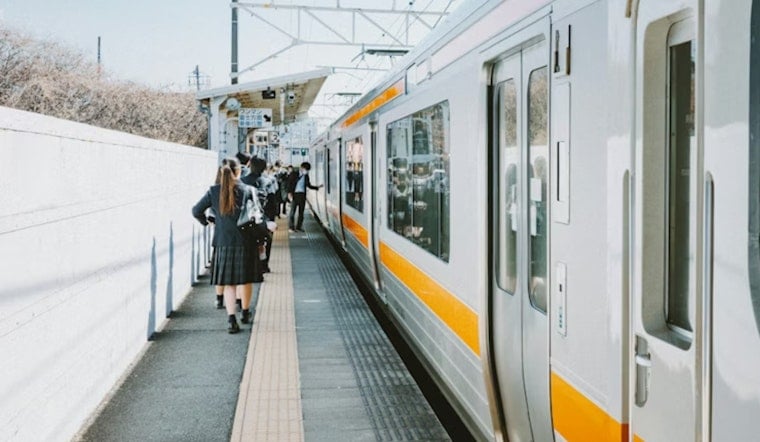
College students across Los Angeles are quietly staging a transit upgrade: the $30 ride‑hail trip is out, and Metro trains and buses are in. With tight budgets and campus pass programs making transit the cheaper, more predictable option, platforms near campuses feel busier with backpacks instead of car keys. Many students say the savings free up money for rent, food, and textbooks. For a generation facing high housing and living costs, the choice to ride Metro is often just arithmetic.
GoPass growth and ridership
More than 500,000 students now travel free through Metro’s GoPass program, which has recorded nearly 60 million student boardings since October 2021. According to LA Metro, the agency’s combined bus and rail boardings climbed to about 82.9% of 2019 levels in January 2025, a recovery Metro links to fare programs, service improvement,s and outreach.
Campus passes and the U‑Pass
The idea is not new: universal college passes have been piloted for years. Documents from campus partners show Metro’s Universal Pass arrangements date back to 2016, when schools began experimenting with campuswide transit pricing that bills institutions per boarding and makes rides effectively free for enrolled students. That billing model makes it feasible for community colleges and large campuses to fold transit into student costs without imposing another out‑of‑pocket fare for riders.
Students say it’s a no‑brainer
Students who spoke with LAist make the math plain. “Ubering is expensive every time I’m going somewhere — it’s at least gonna be $30,” one student told the outlet, while others noted that free or deeply discounted passes make Metro a reliable, everyday choice for getting to class, jobs, and nights out.
Safety, ambassadors, and perceptions
Perception matters too. A review by the UCLA Institute of Transportation Studies of Metro’s Transit Ambassador pilot found that ambassadors help with wayfinding and first‑level outreach and can administer Narcan to prevent overdoses, a combination researchers said improved rider experience and feelings of safety. Those visible staff, advocates say, make stations feel less empty and more navigable for student riders.
What this means for LA’s transit future
Fare programs alone do not finish a commute, and Metro’s build‑out is part of the equation: industry reporting notes nine projects in the agency’s “28 by ’28” slate are complete, including the A Line Foothill extension to Pomona, which extends the network students can realistically use instead of hailing a car. Taken together, cheaper fares, campus passes, visible staff, and network expansion are nudging a new generation of Angelenos to treat transit as a normal way to get around.
The shift will not erase last‑mile gaps or safety concerns overnight, but for many students, the choice is simple: a free or $1.75 Metro ride beats a $30 Uber. As campuses and Metro scale pass programs and finish key projects ahead of major events, expect more college commuters to leave the ride‑hail app idle and board the train instead.



