

























































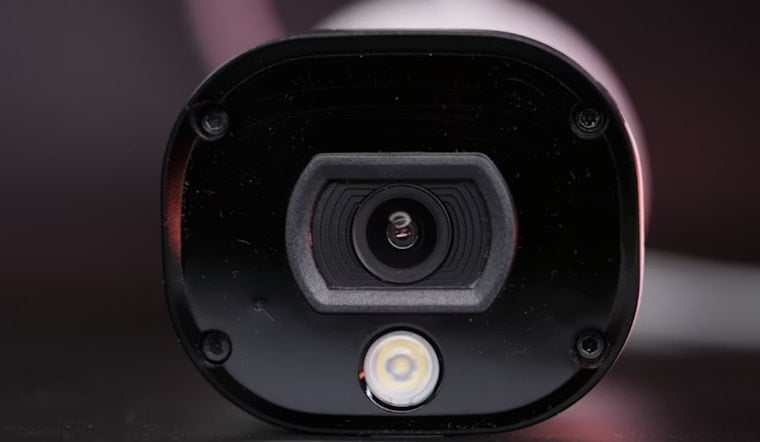
Willoughby Hills is steering some of its photo-enforcement money straight into the driver’s seat for local teenagers, even as its camera program faces growing legal heat.
Under a new partnership with the Willoughby–Eastlake School District, the city’s SafeTeen initiative will tap traffic-camera citation revenue to cover classroom instruction and behind-the-wheel training. City officials say pairing enforcement and education could help reframe the controversial camera fines as a safety investment instead of a cash grab, although critics note that a major court fight over how tickets are issued is already in motion.
How the money will be used
As reported by Cleveland.com, Willoughby Hills plans to share a portion of its photo-enforcement revenue with the Willoughby–Eastlake School District to launch the SafeTeen driving program. State tax records show the cameras brought in about $453,000 in a recent 12-month stretch, an amount city leaders say can cover part of the cost for both classroom time and behind-the-wheel sessions. Officials have framed the move as reinvesting citation dollars into traffic safety rather than routine city operations.
What police say
Willoughby Hills Police Chief Matthew Naegele told News 5 the plan is to link enforcement and education by routing camera proceeds into driver’s-ed instruction and on-road training for teens. He has highlighted heavy traffic on I-271 and I-90 running through the area, and News 5 reported the department recorded more than 1,000 violations during an early enforcement window, with some motorists clocked at over 100 mph. Officers are using handheld LIDAR devices with built-in cameras to document those violations, according to the department.
Program details and funding mechanics
The city’s materials and its 2025 annual report spell out how the Photo Enforcement Program operates in interstate corridors and school zones and detail contracts for equipment and services. Willoughby Hills says a portion of that revenue will go to the school district and to certified driver-education providers, with the city handling administrative oversight. For residents with questions about camera citations or how to contest them, the Willoughby Municipal Court site offers step-by-step guidance on camera violations.
Legal fight and due process concerns
Painesville resident Martin E. Spehar is seeking class-action status in a lawsuit that claims Willoughby Hills issued tens of thousands of tickets without following state requirements, according to Cleveland.com. The Institute for Justice sent a letter arguing that a previously required $25 prepayment to contest camera tickets was unconstitutional. The court has paused that motion-filing fee while officials review the issue, according to the Institute for Justice.
Why the debate matters
Supporters of the SafeTeen plan say steering fine revenue into driver’s education could lead to safer habits among new drivers. Skeptics worry that financial incentives could skew enforcement priorities and keep the cameras running regardless of community concerns.
Reporting from GovTech notes that Ohio law limits how much cities can benefit from camera programs and allows the state to trim certain funding in proportion to ticket revenue. That setup has helped make automated enforcement both controversial and less common in the state. How courts rule on the pending challenges in Willoughby Hills will determine whether the money keeps flowing to schools or instead ends up tied to refunds and policy changes.
For now, city leaders say they will seed the SafeTeen program with a share of photo-enforcement proceeds while the legal questions work their way through the system. Parents and residents will be watching to see whether those cameras end up fueling better driving in the classroom or a bigger showdown over refunds and reform.





