

























































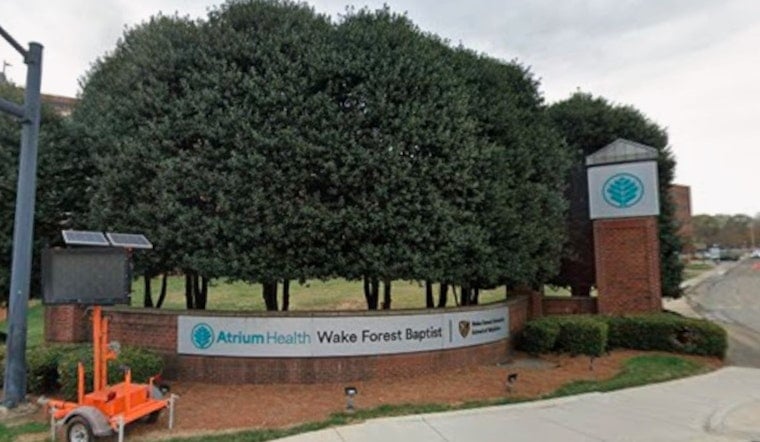
Atrium Health Wake Forest Baptist and Wake Forest University have cleared a major state hurdle, winning approvals this week for about $769.1 million in bond reimbursements tied to recent construction and debt refinancing. The green light lets the health system and its university affiliate move toward issuing tax‑exempt bonds that would reimburse project costs and refinance older bond series, rather than relying solely on cash already spent.
As reported by the Winston‑Salem Journal, the combined approvals cover the health system and Wake Forest affiliates for roughly $769.1 million in reimbursements. Documents from the North Carolina Medical Care Commission show the commission gave tentative approval for Atrium Health Wake Forest Baptist to issue up to $619,180,000 in North Carolina conduit revenue bonds to refund Series 2012A, 2012B and 2019C and to reimburse construction costs. The same packet lists an Illinois issuance as part of the broader financing package, with total estimated sources of about $883.27 million for the combined projects.
What the state approval covers
"The Commission grants approval, subject to the below conditions," the agenda reads, signing off on reimbursements for costs tied to the Julie Ann Freischlag Tower, the 2025 addition that expanded the adult emergency department, added 28 operating rooms and built out dozens of ICU and pre‑ and post‑operative bays. The commission's materials spell out estimated uses and underwriting fees and connect the North Carolina reimbursement to refunding earlier bond series and paying for moveable equipment costs. North Carolina Medical Care Commission documents lay out the figures and conditions in detail.
Why lawmakers are watching
The timing is touchy. Lawmakers in Raleigh are in the middle of debating proposals to scale back hospitals' property‑tax and sales‑tax exemptions, changes that could shift millions of dollars to local governments and influence how tax‑exempt finance is viewed across the state. North Carolina Health News has reported on both the proposed bills and the growing scrutiny of how large systems, including Atrium, use exemptions and refund mechanisms.
State rules make these approvals tentative rather than automatic. The commission delegated final sign‑off on bond details and required that financial feasibility and any necessary certificates of need be nailed down before any sale, and local reporting says officials will need to demonstrate community‑benefit reporting before proceeds are issued. As the Winston‑Salem Journal notes, those conditions mean the approvals open a path to reimbursement but do not immediately unlock cash for the projects.



