

























































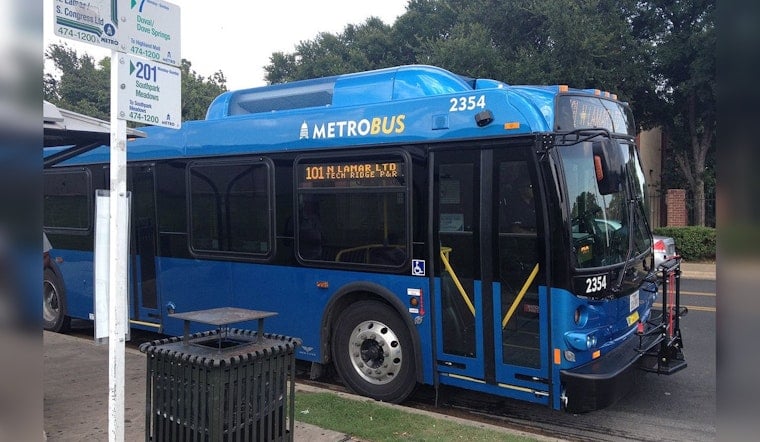
In an effort to meet its ambitious target of zero net greenhouse gas emissions by 2040, the Capital Metropolitan Transportation Authority (Cap Metro) is now scrutinizing how it tracks and reports its carbon footprint. The recent partial audit was conducted in collaboration between Cap Metro staff and grad students from the University of Texas, according to a report by the Austin Monitor.
The partial audit zeroed in on the agency’s Scope 1 and Scope 2 emissions, Scope 1 being the direct emissions from company-owned sources like buses and Scope 2 stemming from the ancillary emissions of procured energy such as electricity, as stated by Cap Metro's own Robert Borowski and Terry Follmer who worked on the project alongside UT interns Vanessa Li and Avery Smitheal; they even laid the groundwork for including Scope 3 emissions, encompassing everything from waste treatment to employee travel, in future assessments.
During a committee meeting, Borowski revealed their findings, explaining, "The scope was to focus on Scope 1 and 2 emissions from one of our facilities, (Capital Metro headquarters at 2910 E. Fifth), and to create a roadmap for getting to those next emissions." Furthermore, the audit utilized a framework put forth by the Climate Registry—a nonprofit known for its expertise in carbon accounting.
Despite acknowledging the predominance of Scope 1 and 2 emissions in their greenhouse gas output, Borowski admitted, "We don’t have a complete handle on Scope 3, but we think it’s a much smaller component of it." The auditors went as far as to recommend a certified professional organization be enlisted for a thorough, independent audit to validate their results, Capital Metro's current practices earning them a Silver Level recognition by the Climate Registry's standards, Borowski told the Austin Monitor.
Asked about the primary drivers behind reaching the zero emissions target, Borowski pointed to the turnover of the bus fleet to electric vehicles and green energy choices like wind or zero-emission energy for reducing the emissions stemming from their vehicles and buildings, a conversation sparked by board member Dianne Bangle's inquiries. Cap Metro maintains its objective is to not only transform transportation but also the energy sources that power its facilities in order to achieve its sustainability goals.





