

























































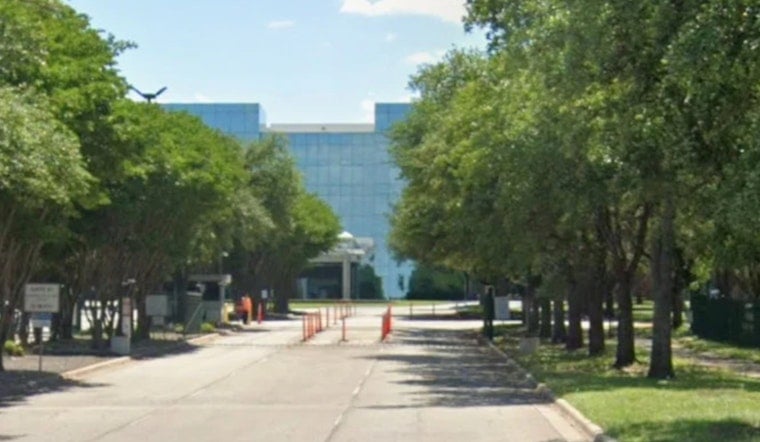
Samsung’s long-delayed Taylor chip campus finally looks less like a construction site and more like a working factory. This week, the company started moving wafer-fabrication tools into the massive facility, a key shift from pouring concrete to preparing for actual chip production. If all goes to plan, the first wafers are expected to roll off the line later this year, bringing advanced chipmaking squarely onto U.S. soil.
Equipment move-in marks the real turning point
As reported by the Austin Business Journal, Samsung hosted an equipment move-in ceremony on Friday to usher in the large, delicate machines that pattern and etch silicon. Company teams and suppliers have begun installing and calibrating the tools, which must be fully operational and tested before any pilot wafers can be produced.
What just rolled in and why it matters
Industry coverage says the latest wave of hardware includes extreme-ultraviolet (EUV) lithography systems and other advanced wafer-fabrication equipment, the same class of tools required for 2-nanometer, gate-all-around production. Technical analysis from Tom’s Hardware notes the Taylor site may pilot EUV pellicles and is chasing the "first light" milestones that come before so-called risk production.
Campus scale and the job picture
According to Samsung Semiconductor, the Taylor project represents an initial minimum $17 billion investment. The company projects roughly 1,800 direct jobs in the site’s first decade. Career postings and project materials show hiring across tooling, yield engineering and facilities roles, and the build is intended to anchor a multi-fab campus along the Austin corridor.
Where Tesla fits into the chip puzzle
The Taylor milestone also ripples through the broader supply chain. Samsung already holds a multiyear deal to manufacture next-generation AI chips for Tesla, a contract regionally pegged at roughly $16.5 billion by the Houston Chronicle. Local reporting ties the latest equipment move-in to eventual production of Tesla’s AI5 and AI6 designs on U.S. soil, a shift that could ease long-standing supply constraints for the carmaker’s autonomy hardware.
Next steps and the technical risks
Getting the tools inside the building is only the opening act. The machines must be precisely aligned, pellicles and masks verified, and yields engineered before high-volume manufacturing is even on the table. Reporting from Korea JoongAng Daily indicates that mass-production timelines have already shifted in recent months, and that pilot, or "risk," production is the key milestone to watch as Samsung works to stabilize yields and throughput.
Neighborhood ripple effects
The Samsung build has not just reshaped the skyline, it has scrambled local planning. The Taylor campus sits in a corridor that is suddenly drawing data-center proposals, rezoning battles and infrastructure debates, as nearby residents push for protections and city officials weigh tax breaks against permitting limits. Local reporting from data-center showdown coverage and city documents detail council fights and resident protests near proposed projects, underscoring that this shiny industrial milestone arrives with real neighborhood consequences as well as corporate bragging rights.





