

























































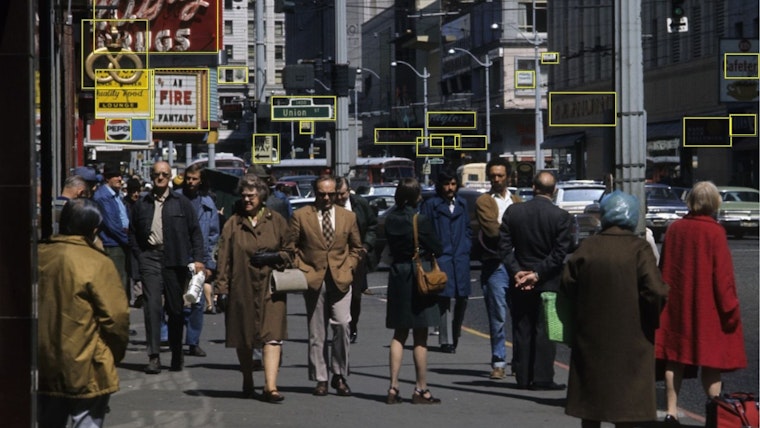
Seattle has marched its way to the fourth rank in a list of America's most walkable cities, proving that it's more than just a rain-soaked metropolis in the Pacific Northwest. According to a report by Smart Growth America, accessed by Condé Nast Traveler, Seattle offers its residents and tourists alike the convenience of ambling to grocery stores, gyms, and offices without the need for a car. The city's built environment, which includes amenities conducive to pedestrians and access to public transportation, contributed to its high ranking.
But the story's not just about Seattle – the 2023 Foot Traffic Ahead Report sheds light on urban America's shift towards walkable environments, and it's not limited to the bustling streets of NYC or the historic avenues of Boston. As the report explains, people are opting for urban places where they can pound the pavement instead of pressing the pedal, despite previous years that sang the praises, arguably a little too loudly, of sprawling, drivable suburbs, and the Smart Growth America report illuminates this trend with data showing the durability of walkable places even amid the challenges of the Covid-19 pandemic.
Featuring in the coveted top 20 of Smart Growth America's list, which assesses the walkability of the 35 largest metropolitan regions in the country, are cities like San Francisco, Portland, and newcomer to the scene, Miami – all rejoicing in the fact that getting from Point A to B doesn't always require a set of wheels. This change isn't just about lifestyle preferences; it's got a monetary aspect, too, with walkable areas often demanding a price premium, showing a clear market desire for these areas despite making housing affordability an even tougher nut to crack.
The growing demand for walkable urban areas emphasizes the need for cities to adapt and expand such spaces to meet the preferences of their residents. According to a Smart Growth America report, although Americans love their cars, when it comes down to it, they prefer walking in areas reminiscent of the walkable cities they admire abroad. Michael Rodriguez, Director of Research at Smart Growth America, mentioned a high demand for walkable neighborhoods, both domestically and in the international travels undertaken by Americans.
As we glance at the future, the report's findings suggest a necessary shift in policy to ensure that these in-demand walkable areas remain within reach for a greater portion of the population, and not just those who can pay the premium. The full list of the 20 most walkable cities in the US, along with detailed findings, can be found in Smart Growth America's report, rankings that tell a tale of an urban landscape on the move – quite literally on foot. Catch a glimpse of how your city measures up over at Condé Nast Traveler.





