

























































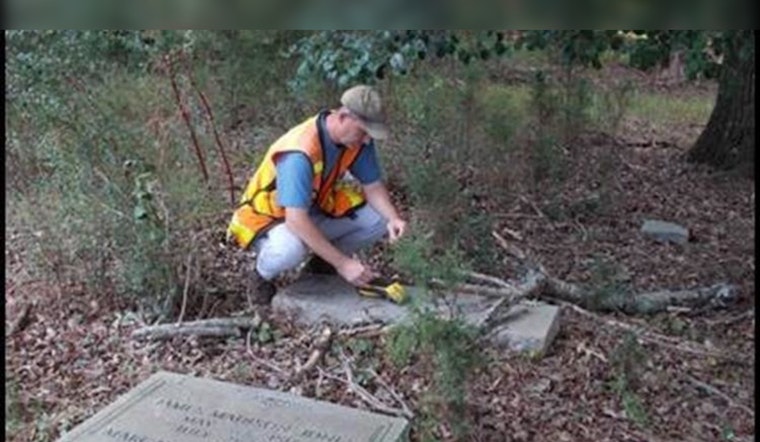
In an initiative to recognize and honor North Carolina’s historical narratives, the N.C. Department of Transportation is teaming up with N.C. State University's Institute for Transportation Research and Education. This collaborative effort seeks to shed light on unmarked burial sites tied to historically disenfranchised populations. According to a press release from the NCDOT, this research could play a vital role in documenting and thus preserving the history and heritage of these marginalized communities.
Tunya Smith, director of NCDOT’s Office of Civil Rights, underscored the significance of the project, "This partnership is important as it will help in preserving and honoring the heritage of these communities, ensuring that their stories are not forgotten," Smith stated, as reported by the NCDOT. Furthermore, Smith noted that the project would contribute to a more nuanced understanding of the state's complex history. Scheduled to begin this summer and continue through the summer of 2026, the research will focus on identifying and mapping sites such as Indigenous burial grounds, and the graves of formerly enslaved individuals.
The imperative project kicks off in Edgecombe County, situated about 60 miles east of Raleigh. Officials from the region have expressed dedication to identifying and reinterpreting the storied existence buried beneath its soil. Under the auspices of the Uplift NC program, backed by the North Carolina Chamber of Commerce, Edgecombe County has engaged local voices in a conversation about preserving these repositories of heritage.
Recognizing the physical threats posed by urban development and the caprices of climate change, researchers seem resolute in chronicling these endangered historical spaces. In an advisory capacity, a committee plans to draw upon community input and expertise in order to cement the cultural significance of the sites discovered. The initial stages of the project entail reviewing literature and policies, followed by outreach in Edgecombe County to document locations potentially known through local lore and longevity of memory.
Yet the project’s ambitions span beyond the confines of Edgecombe. Tunya Smith suggests a broader impact, stating, "A part of Edgecombe County was absorbed by the formation of Wilson County in 1855, which demonstrates that neighboring areas are likely to be impacted by this research." Smith's statement reveals an understanding of family histories that transcend arbitrary lines on a map, connecting the web of stories constituting eastern North Carolina’s past. Dr. Tim Brock from N.C. State’s ITRE will oversee the research alongside support from the North Carolina Research and Engagement Group, aiming to bring the echoes of these forgotten narratives into the light of present-day recognition, as noted by the NCDOT.





