

























































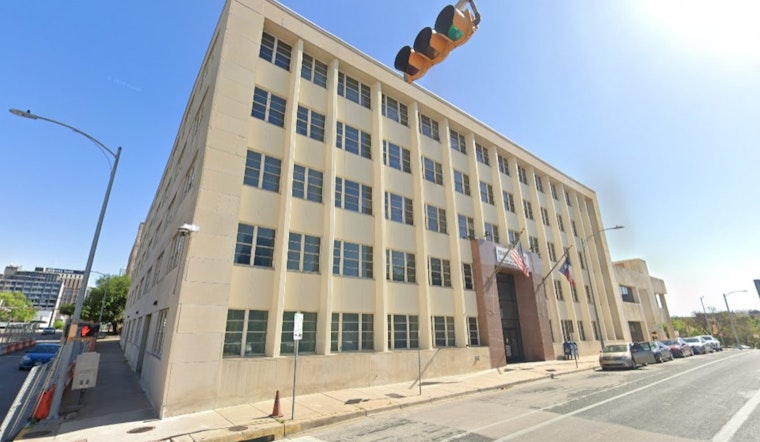
After a year of anticipation, Austin's Fire Station 1 has made a triumphant return with a grand reopening ceremony, showcasing extensive renovations that aim to improve the living and working conditions for first responders.
The historic downtown station, which has been a staple in Austin since 1938, experienced a temporary closure for upgrades and now offers enhanced amenities, this effort is part of a citywide initiative to renovate emergency facilities, according to a KXAN report. The revamped fire station, boasting a new roof, two kitchens, and secure parking, now houses three fire units and two ATCEMS units, making it one of the busiest hubs for emergency services in the city.
Assistant Chief Thayer Smith stated, "The safety and privacy of the firefighters has been addressed. It’s essentially a completely new station built inside the existing framework of the building." He emphasized the improvements to their quality of life, with new dorm rooms and showers allowing firefighters and EMS crews individual spaces to rest between calls, in an interview obtained by KXAN.
Not only has the station undergone a physical transformation, but it's also set to enhance its engagement with the community through the introduction of mental health support programs, Assistant Chief Kevin Parker from Austin-Travis County EMS emphasized the importance of the new community health paramedic program designed to address mental health and behavioral emergencies, which are frequent in the downtown area, boasting an elevator, a new outdoor dining space, and other modern fixtures, the renovations bring the old building up to current standards while preserving its historic facade, Parker further elaborated on the station's modernized notification system, which integrates screens, speakers, and lights to alert crews swiftly and efficiently to emergencies, as he told CBS Austin.
The reopening marks a significant milestone in Austin's plan to upgrade and construct new emergency services facilities across the city; with Fire Station 1 now operational, Austin residents can expect a more robust and responsive presence from their local first responders.





