

























































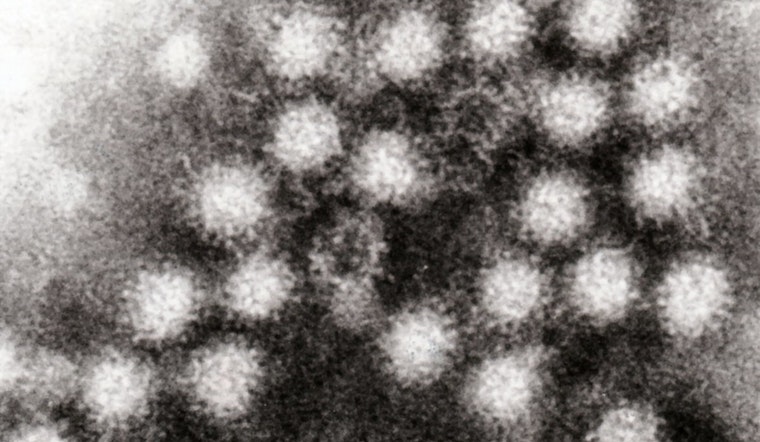
Austin is observing a worrisome trend as Norovirus cases start to climb, mirroring a pattern that is emerging nationwide. An Emergency Physician at St. David's Children's Hospital, Dr. Kevin Smith, has noticed a discernible increase in patients likely suffering from this highly contagious virus. Fox7 Austin reported that Dr. Smith said, "I know for a fact that Norovirus is in our community because I see patients who are most likely affected by it."
According to Yahoo News, the nationwide increase is also felt locally in Austin. Mismatched with the season, Norovirus typically exhibits an uptick around this time of year, as noted by Dr. Smith. Cases reported last month have doubled in number compared to previous years, Centers for Disease Control statistics show.
Commonly mistaken as the stomach flu, Norovirus is not related to influenza. Despite this common misconception, it is in fact the leading cause of food-borne illness in the U.S. Dr. Smith shared with Fox7 Austin that "It takes only very, very small amounts of the virus to infect other people and so that's part of why it can really run rampant in, you know, close communities, things like cruise ships, nursing homes, things like that."
People at the extreme ends of the age spectrum are more susceptible to the impact of the virus, though it can infect anyone. Symptoms typically occur 1 to 2 days after exposure to the virus through contaminated food or contact with an infected person. As reported by sufferers, trying to handle the symptoms at home can be challenging, prompting Dr. Smith to advise those battling dehydration to seek medical attention. "You've tried managing your nausea at home. You've tried to stay hydrated and you're still not making urine, you're still not peeing, you know, at all in the course of a day, in which case, I want you to come to the ER Because at that point, you need IV fluids," Dr. Smith explained to Fox7 Austin.
To combat the spread of Norovirus, especially in tightly-knit environments like cruise ships or nursing homes, rigorous hygiene practices are key. "Washing your hands after you go to the bathroom every time and washing your hands after being out in the community, I think is the best way you can prevent it," Dr. Smith noted. Since hand sanitizers are ineffective against Norovirus, physical washing with soap and water is encouraged. The CDC maintains an updated list of Norovirus outbreaks, available for those looking to stay informed.





