

























































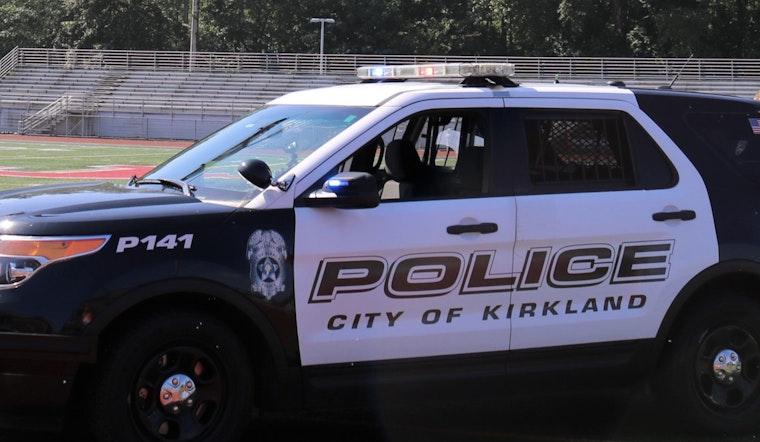
The Kirkland Police Department (KPD) has reached a significant milestone with all its officers successfully completing the Active Bystandership for Law Enforcement (ABLE) training program. The ABLE Project, a community safety initiative developed at Georgetown Law's Center for Innovations in Community Safety and supported by the global law firm Sheppard Mullin, provides officers with the tools to intervene, reduce errors and promote wellness within the ranks.
With an emphasis on peer support, the training facilitators at Georgetown Law offer the program free of charge to participating law enforcement agencies. Agencies, in turn, must commit to instilling the principles of active bystandership and peer intervention into their culture through consistent policy, training, and accountability measures, a commitment the KPD has steadfastly maintained. As reported by the City of Kirkland, this strategy aligns closely with the core values of the force, including honor, integrity, and courage.
Kirkland Police Chief Cherie Harris hailed the program, stating, "The ABLE program reinforces what we’ve always encouraged at KPD: stepping up to support one another during critical moments." By focusing on skills that improve police accountability, the department aims to strengthen community trust, as noted by Chief Harris in her statements regarding the program's implementation, which were issued by the City of Kirkland.
Training concluded on December 12, 2024, with officers wrapping up an intensive 8-hour course. As part of the ongoing commitment to the ABLE principles, the officers are required to participate in annual refresher training. The proactive stance of KPD, as outlined by the department, sets a precedent for other law enforcement agencies to follow in enhancing both officer wellbeing and public safety. Local residents can, therefore, view this as a proactive step towards more responsible policing.





