

























































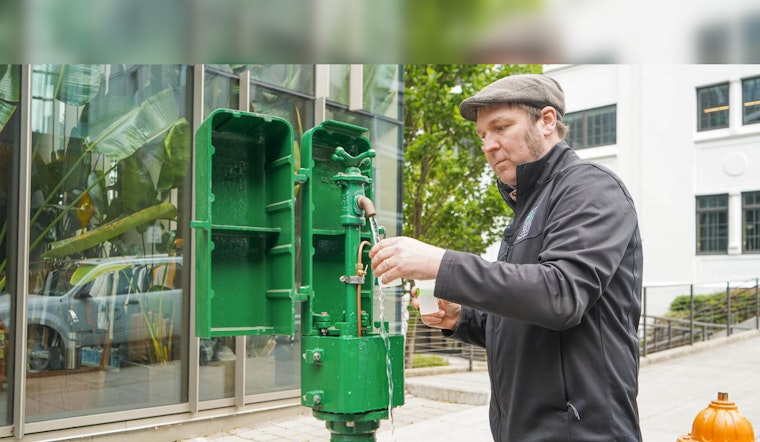
Portland's tap water is renowned for its quality, but the behind-the-scenes efforts to keep it pristine often go unnoticed. As detailed by the Portland Water Bureau, the city maintains a vigilant approach through a network of water quality sampling stations, with dedicated staff checking on these stations routinely.
These sampling stations, described as unassuming green boxes, are scattered throughout the city at 102 in-town locations, while an additional 90 stations support other testing programs. A team works four days a week visiting 15–17 stations a day, ensuring that the water remains safe and clean from the source to the tap, the Water Bureau's efforts ensure drinkable water, and they visit each station at least once in two weeks to carry out various tests for temperature, chlorine levels, pH, turbidity, and conductivity.
An important facet of these tests includes checking for bacteria; crews collect water samples, which are then subjected to lab examination. The Bureau highlighted that at least 240 samples are required monthly by regulations, which totals nearly 3,000 tests per year in their commitment to water safety. Stations are strategically located across the city, ensuring every Portland resident has nearby access to tested water without having to manage a long-distance relationship with their water supply, especially since some stations are placed near sensitive locations like hospitals and schools.
The robust testing schedule at these stations rivals any stringent medical check-up, with some locations, like those at Powell Butte Nature Park, receiving inspections every sampling day. And while you won't find any unexpected wildlife or quirky critters inside your tap water, the stations themselves, due to their low-to-ground design, sometimes attract small animals, though they are promptly shown out when found by the bureau's staff. Before every sample collection, employees make sure to sanitize taps with blowtorches, eliminating any risk of contamination that could scramble the data gathered by their high-tech equipment.
Each spring or summer, all active stations undergo maintenance to check their condition, get cleaned up, and be repaired if necessary. This proactive upkeeping is part of ensuring that the integrity of water testing is held up to the highest standard. In case of any issues, the bureau has back-up stations readily available, which receive annual inspections too, ensuring they're ready for deployment in the face of any discrepancies with the regular stations. The bureau firmly advises against vandalism and encourages the reporting of any damage to these essential public health instruments.





