

























































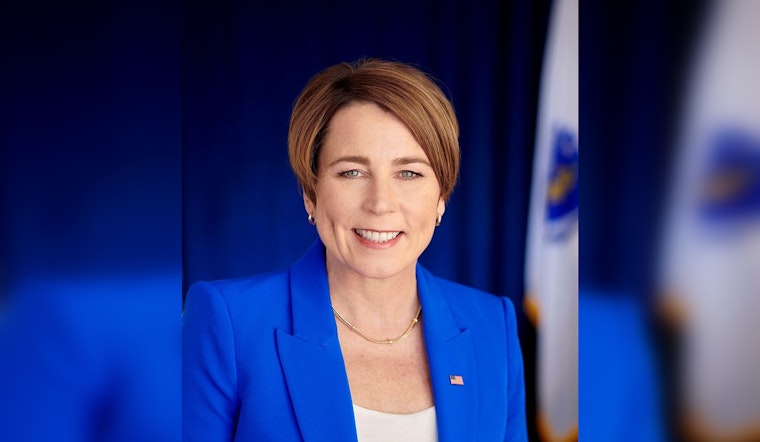
Sweeping away layers of bureaucratic cobwebs, Governor Maura Healey has reportedly taken an ax to state regulations in a move that's being lauded by business leaders across Massachusetts. As mass.gov outlines, Healey's administration has managed to either cut or amend a full quarter of all rules under the eye of the Office of Consumer Affairs and Business Regulation (OCABR) and related agencies. The changes, part of the so-called Massachusetts Means Business initiative, aim to ease the operational burden on the Bay State businesses, while enhancing economic competitiveness.
During her State of the Commonwealth address, Healey directed the OCABR divisions to undertake a deep dive into 150 sets of regulations to possibly cut down outdated, duplicative, or anti-competitive requirements. The effort is to not only peel back the layers of red tape but also to simplify the regulatory maze that businesses have to navigate. Among those toasting to these changes, mass.gov notes that industry reps and business moguls see this as a decisive step to "focus on what matters most – growing jobs and contributing to our economy," according to Healey.
A detailed breakdown of the regulations on the chopping block reveals measures touching a swath of industries—from financial services benefiting 788 companies to the 15,000 grocery and retail stores now facing updated unit pricing requirements. The latter hadn't been changed since the 90s. Also, cosmetology and barbering, ski areas, hoisting engineers, and insurance companies are set to see an easing of past constraints. According to Healey and Lieutenant Governor Kim Driscoll, as quoted by mass.gov, the move comes in direct response to the clamor from business owners for a more conducive growth environment in Massachusetts, especially against the backdrop of instability from prior federal actions.
In addition to regulatory rollbacks, the Healey-Driscoll Administration is pushing to modernize OCABR's systems—expected to save time and cut costs. This tech pivot includes a far-reaching capital project to unify licensing, permitting, and inspections into a single system. The Real Estate and Plumbing board licensees are on deck to experience this shift come June 2025. Interim Secretary of Economic Development Ashley Stolba, as told to mass.gov, describes the Mass Means Business as being rooted in "direct feedback and input from the business community."
The announcement has received broad support, with endorsements from a spectrum of industry leaders. Chris Flynn, representing the 500-strong congregation of grocers operating in Massachusetts, expressed gratitude for the simplification efforts, suggesting they will improve pricing precision. Meanwhile, not only retailers and insurers but also small ski area owners have offered kudos. Jeff Cowley, helm of the Wachusett Mountain Ski Area, thanked the administration for amendments that bolster the ability of ski areas to stay independently owned. More information on these transformative adjustments can be explored at the Massachusetts government's official site—mass.gov—redirecting to a page dedicated to the Massachusetts Means Business initiative.





