

























































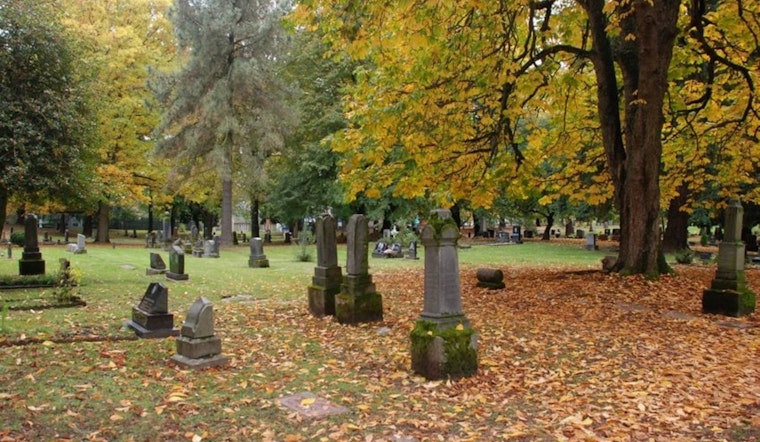
After decades of silence and neglect, Multnomah County's reckoning with past injustices came into focus as its Board of Commissioners unanimously passed a resolution to officially apologize for the historic harm caused to the Chinese American community, particularly for actions surrounding Lone Fir Cemetery. The Board's formal apology, which occurred Thursday, June 26, is part of a series of reparative measures that include a $1 million allocation from the FY 2025-26 budget to help fund a memorial at the cemetery, which is under the ownership and operation of Metro regional government since 1994. The Board's actions aim to honor the unacknowledged contributions of Chinese Americans while reconciling the perpetual discrimination they faced.
As reported by Multnomah County's official announcement, Chair Jessica Vega Pederson expressed the resolution was an "sincere apology to address past wrongs" and a significant step in recognizing the overlooked stories of those buried at Lone Fir. Commissioner Meghan Moyer admitted that, "There are not words that can heal this type of action," highlighting the importance of "consistent and sincere effort to take ownership and work collaboratively to restore the harm caused" to the community.
Lone Fir Cemetery is among the region's oldest cemeteries, and Block 14 was traditionally known as the section where many Chinese immigrants and Chinese Americans were buried. Metro's historical account detailed that Block 14 was previously "crowded with headstones bearing Chinese writing," and included shrine that facilitated traditional offerings. However, atrocities began when the county ceased burials and cultural practices there in 1928, and culminated in the destruction of graves by bulldozers in the 1950s, without careful removal, cultural sensitivity, or recording of the deceased's identities, clearing the way for a maintenance building and a parking lot.
Apology and atonement have been themes echoed by several commissioners, including Julia Brim-Edwards who admitted to the "complete erasure" of any sign of Block 14 and its historical significance. Vince Jones-Dixon described past actions as "reprehensible," reinforcing the County's commitment to a shared path forward. As articulated by Neil Lee, vice president of the Oregon Chinese Consolidated Benevolent Association, during the Board meeting, this acknowledgment by the county is "a significant step to rebuild trust, equity and inclusion, and acknowledge a historical injustice."
Moving forward, the memorial plans include a gathering space, seating, interpretive elements, and a new stone altar to facilitate traditional rituals and reflection. This manifestation of remembrance forms part of Metro's efforts that began in 2021 and has been steadfastly supported by community advocacy. The Multnomah County Board has vowed to monitor the construction over the next year and prioritize any needed additional funds in the next budget cycle.


