

























































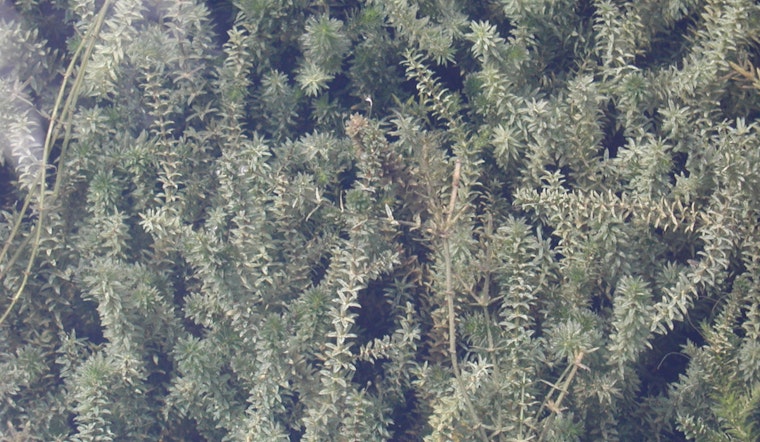
The City of Austin is taking steps to curb the recent uptick in hydrilla, an invasive aquatic plant, in Lake Austin, particularly in areas downstream of Loop 360. According to a recent vegetation survey by Texas Parks and Wildlife, hydrilla currently spans 74 acres, or about five percent of the lake, primarily in coves and sheltered backwaters. The proactive measure includes the release of approximately 350 sterile grass carp into the lake this week, seeking to manage the plant's swift proliferation.
The city's approach employs a conservative stocking rate of about five grass carp per acre of hydrilla. These particular fish are known for their appetite for the invasive species, though the city maintains a vigilant stance, considering both the ecological service that aquatic vegetation like hydrilla can provide and the potential harm its unchecked growth poses to the environment and the local community. Despite its benefits to fish and water quality, hydrilla has the capacity to overgrow to problematic extents, as was the case in 2012 and 2013 when it covered a near third of the lake.
In a statement released by the City of Austin's official news release, it was revealed that the staff has gained considerable experience over the past 25 years in managing hydrilla and is cautiously proceeding with the current intervention. The objective is to reduce the growth and density of hydrilla in the impacted coves without adversely affecting the lake's ecosystem.
For now, the presence of hydrilla is not impeding the broader recreational use of Lake Austin; the overall vegetative life in the lake supports aquatic ecosystems, with species like Eurasian watermilfoil, water celery, and native pondweeds still dominating in the upper parts of the lake, which the grass carp, tend to prefer less than hydrilla.
Austin's residents and visitors have a role to play in stemming the spread of non-native species such as hydrilla and zebra mussels. The City of Austin urges the public to clean, drain, and dry boats and gear before and after usage, steer clear of dense underwater vegetation, and avoid discarding plant debris into the lake. It is noted that violators tossing plant pieces back into the water can face fines up to $2,000 per plant.





