

























































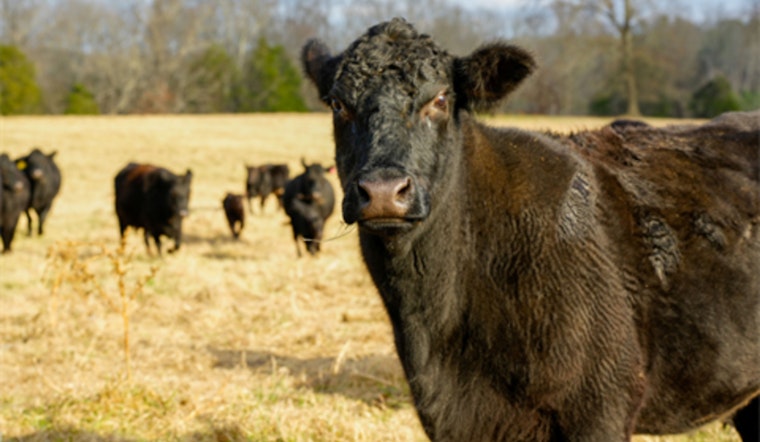
With the looming pressures of urban development in Cabarrus County, a key initiative to preserve farmland, the Voluntary Agricultural Districts (VAD) program, has become a beacon of hope for local farmers. This program is instrumental in safeguarding over 64,000 acres of agricultural land in the region, a lifeline for the county's rich farming heritage. Cabarrus County officials are committed to enhancing the program, ensuring that it remains robust and beneficial for the agrarian community.
Enrollment in the VAD program offers the participating landowners various protections, crafted to halt the encroachment of non-agricultural development. With a minimum requirement of 10 acres of cultivated land, members vouch for the agricultural use of their property, a pact that is magnified under the Enhanced Voluntary Agricultural Districts with a 10-year conservation easement. Being one of the first counties in North Carolina to adopt this farmland preservation strategy back in 2006, Cabarrus is now home to over 150 members who are keeping more than 5,000 acres of land steadfastly dedicated to agriculture. The safeguarding against nuisance suits and guarantee of representation in critical hearings are among the legal shields provided to them.
For Tommy Barbee, a fifth-generation farmer, watching the relentless conversion of farmland to suburban sprawl has been all too real. He lamented in an interview with Cabarrus County, "in our area of the county, we're the only farm within 20 miles." This narrative is not uncommon, resonating with many who have seen their pastoral surroundings give way to concrete and steel.
On the forefront of this preservation effort is Sarah Newman, a livestock and field crops agent with Cabarrus NC Cooperative Extension. A native to the county, she brings an acute understanding of the challenges faced by farm owners. Newman facilitates the connection between the land and its protectors, guiding farmers through the application process and verifying their adherence to the program's prerequisites. "There are a lot of farmers, ranchers and producers here in Cabarrus County that want to have a voice and want to continue to advocate for agriculture within their community spaces," Newman articulated through Cabarrus County's insights. Through her aid, farmers ink their conservation agreements, which are then reviewed by the Cabarrus Agricultural Advisory Board.
As the VAD program undergoes a restructuring to better serve its constituents, updates to mapping systems and revisions to existing ordinances are in the works. Cabarrus County Attorney Douglas Hall is at the helm of these changes, focused on fortifying easement documents to safeguard agricultural lands when properties transfer hands. "We want to make sure we are doing everything as a county to preserve agricultural lands for future generations," Hall declared to Cabarrus County. His efforts exemplify the county's determination to cultivate a sustainable balance between growth and greenery, a balance that remains crucial for the soul of Cabarrus County.





