

























































As fireworks explode in the backdrop of our Independence Day celebrations, another kind of milestone is lighting up the cultural conversation. "Dora the Explorer," the pint-sized adventurer known for her iconic bob cut and trusty backpack, is celebrating 25 years of exploration and education.
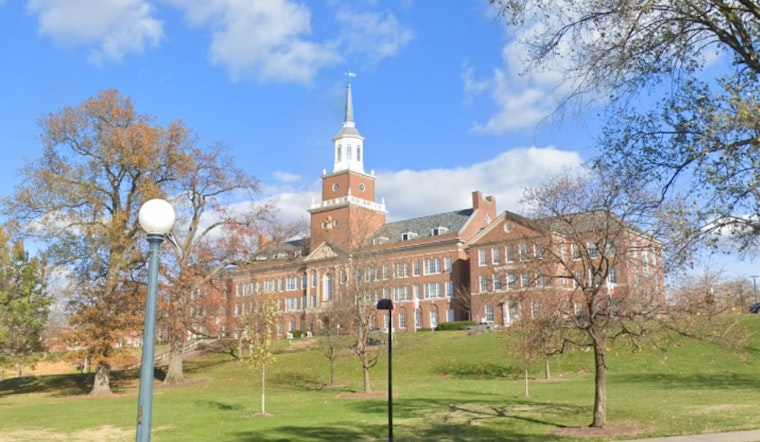
Erynn Casanova, head of the Department of Sociology at the University of Cincinnati, was spotlighted in an article by the Associated Press, discussing Dora's enduring presence on the TV screens and the influence she's had on popular culture. “There were few programs at the time that featured Latina protagonists with Dora’s skin tone or features, so from that perspective, the representation is valuable,” Casanova has commented, according to the UC News.
Dora ventured onto the television scene in 2000, offering kids an interactive experience that was ahead of its time, with a blend of problem-solving and bilingual language skills. Casanova’s early studies, circa 2005-2007, highlighted "Dora the Explorer" as a trailblazer for bringing a Latina character with a darker skin tone and distinctive features into living rooms, a rarity for children's programming back then. However, the show also drew criticism for its instrumental use of the Spanish language – using it more as a tool rather than diving into the complexities of Latino culture.
The article goes on to underline the uneven representation in media, with Latino actors earning a mere 9.8% of lead roles in scripted television, according to the Latino Donor Collaborative cited by the AP. This figure stands in stark contrast against Latinos, comprising nearly 20% of the U.S. population – a disproportionality that suggests the industry has miles to go in terms of inclusivity.
As Dora's silver anniversary rolls in, it's a celebration with a tinge of reflection. The cartoon explorer has undoubtedly blazed a path for cultural recognition on the small screen, but the quest for equitable representation, much like Dora's own adventures, is an ongoing journey full of challenges yet to be solved by the next generation of explorers.




