

























































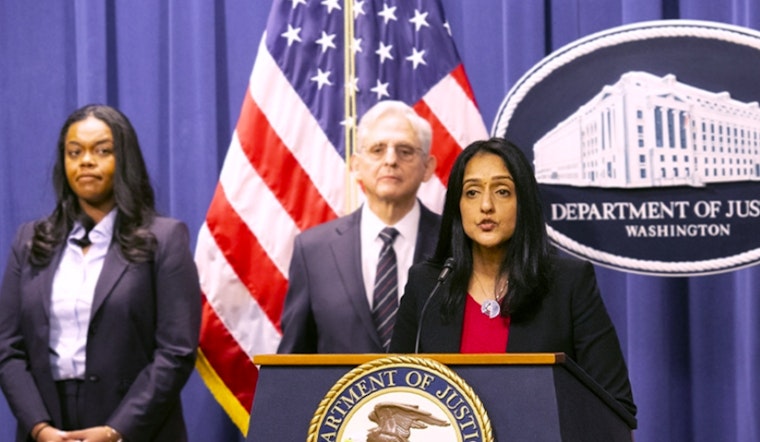
The Department of Justice has waded into a contentious debate over the freedom of the press and the role of big tech in shaping public discourse. In a notable move, the U.S. Department of Justice filed a statement of interest yesterday in a lawsuit accusing several major news organizations and digital platforms of colluding to suppress certain news sources, as reported in their own release. The case, Children's Health Defense et al. v. Washington Post et al., could have significant implications for how information is shared and consumed online.
According to the U.S. Department of Justice, a recently filed lawsuit alleges that certain media outlets have engaged in anti-competitive practices by limiting access to alternative viewpoints, including those related to COVID-19. The complaint raises concerns about the potential impact on media diversity and competition. Assistant Attorney General Abigail Slater of the DOJ’s Antitrust Division stated, “When companies abuse their market power to block out and deplatform independent voices and protect legacy media, they harm competition and threaten the free flow of information on which consumers depend.”
Central to the U.S. Department of Justice argument is the principle that antitrust laws aren't just about economics—they also safeguard "viewpoint competition" in news markets. The statement explains that a key component of a healthy democracy is the ability of consumers to access a plurality of viewpoints. Without such access, there's a fear that public debate and informed decision-making could be compromised.
The Antitrust Division of the Department of Justice has a record of engaging in matters related to media competition, regularly submitting statements of interest and amicus briefs as part of its effort to uphold competitive practices and protect consumers. In its recent statement of interest filed in the District of Columbia, the department emphasized concerns about the potential influence of major media and technology companies in limiting access to diverse viewpoints. The filing highlights the department’s ongoing focus on ensuring open markets and guarding against practices that could impact democratic discourse.
As the case proceeds, it raises broader questions regarding the role of media organizations and digital platforms in shaping public discourse. The outcome may carry implications for how information is accessed and shared in the digital age, particularly in relation to viewpoint diversity and media competition. Legal observers and stakeholders across the industry are closely watching the developments.





