

























































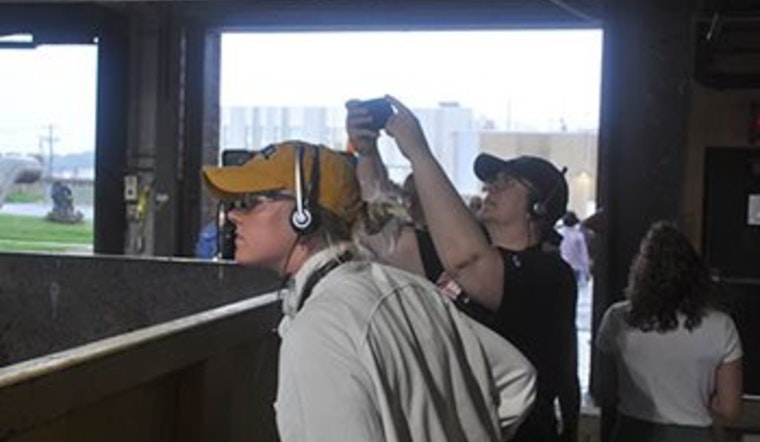
On a recent sunny day in Minnesota, teachers gathered to learn more about the hidden journey of wastewater, a critical yet often overlooked part of our urban infrastructure. Partnering with the Metropolitan Council, the Mississippi River Institute and Hamline University provided a hands-on continuing education training for 50 teachers, as reported by Metro Council News. They visited the Metropolitan Water Resource Recovery Facility, one of the nation's largest, which serves two-thirds of the Twin Cities region, and witnessed first-hand how wastewater is treated to become cleaner than the Mississippi River, where it's later released. "This partnership represents a strategic alignment with the Met Council's fundamental mission to build a thriving, sustainable region," Met Council Chair Charlie Zelle told Metro Council News.
The collaboration is geared to not only educate but also to inspire teachers to incorporate what they learn into lessons about water for their students. At the core of the program, as Kristin Bennett, the Director of K-12 Resources at Hamline’s Center for Global Environmental Education, explained to Metro Council News, is an "opportunity to 'be students' in the field" and to engage in hands-on, inquiry-based science and engineering activities. It's a direct engagement with the river that flows through their community, a chance to truly interact with and understand the local environment and its challenges.
Besides the experiential learning at the recovery plants, the Met Council also offers planning assistance to cities on water supply and storm management. This comprehensive approach encompasses not only wastewater treatment but also the overall sustainability of the water resources in the Twin Cities metropolitan area, aligning closely with the council's Imagine 2050 regional plan.
The significance of this training extends far beyond the personal growth of the teachers; it's about preparing the future generations for challenges they will face, particularly with issues like water stewardship. "These teachers are shaping the future leaders, innovators, and changemakers we designed our Imagine 2050 plan to serve," Chair Zelle emphasized to Metro Council News. He notes that today's students will be the driving force in just a few decades, highlighting the crucial role of educators in this chain of knowledge and responsibility.





