

























































In the wake of floods near Kerrville, Texas, NASA has stepped in to aid state and local authorities with high-tech aircraft and sensor technology. This assistance comes as part of an effort from NASA's Disaster Response Coordination System, which has been activated to support the emergency response teams dealing with the extensive flooding. This system has been put into place to work in tandem with the Texas Division of Emergency Management, the Federal Emergency Management Agency (FEMA), and humanitarian groups such as Save the Children and GiveDirectly, as NASA announced and was subsequently reported by NASA's official website.
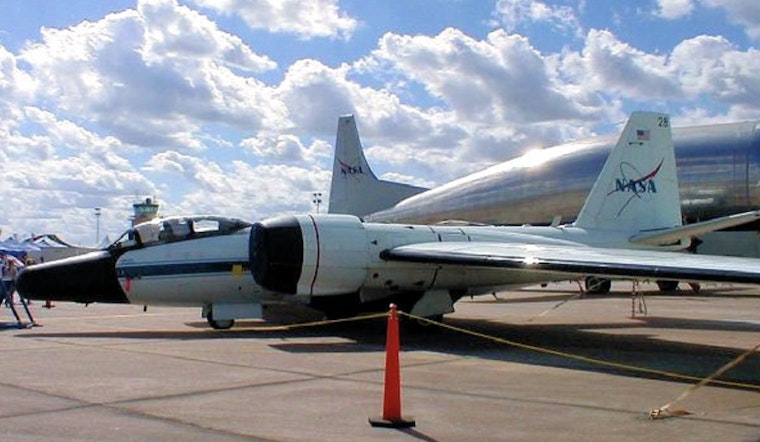
Due to persistent cloud cover that hindered the collection of clear satellite data, NASA’s Disasters Program quickly adapted by deploying resources to conduct aerial observations above the obstructing clouds. The agency is now using two types of aircraft to survey the flood-impacted regions. KHOU reported that one such aircraft is the high-altitude WB-57, equipped with the sophisticated DyNAMITE sensor. This technology enables real-time data collection and analysis, potentially speeding up emergency response operations.
The DyNAMITE (Day/Night Airborne Motion Imager for Terrestrial Environments) sensor, specially mentioned in NASA's report, is particularly significant in these efforts. It provides high-resolution imagery of the Guadalupe River and surrounding areas, delivering crucial data for damage assessment and recovery strategy coordination. The value of this technology lies in its capacity to strengthen situational awareness and aid in the acceleration of rescue and recovery times.
In parallel with the WB-57 flights, NASA has deployed the Uninhabited Aerial Vehicle Synthetic Aperture Radar (UAVSAR) from Armstrong Flight Research Center in Edwards, California. The system is collecting radar data over the Guadalupe, San Gabriel, and Colorado river basins across multiple days. UAVSAR is capable of detecting water beneath vegetation, providing data that complements optical satellite imagery in assessing flood conditions and identifying areas where surface water may not be visible.
NASA is transferring collected data to FEMA, the Texas Division of Emergency Management, and local response teams to support emergency operations. Imagery and analysis from the flights are being shared through NASA’s Disaster Response Coordination System and made available via the NASA Disasters Mapping Portal as processing is completed. The data is intended to show the extent of flooding and its effect on infrastructure.





