

























































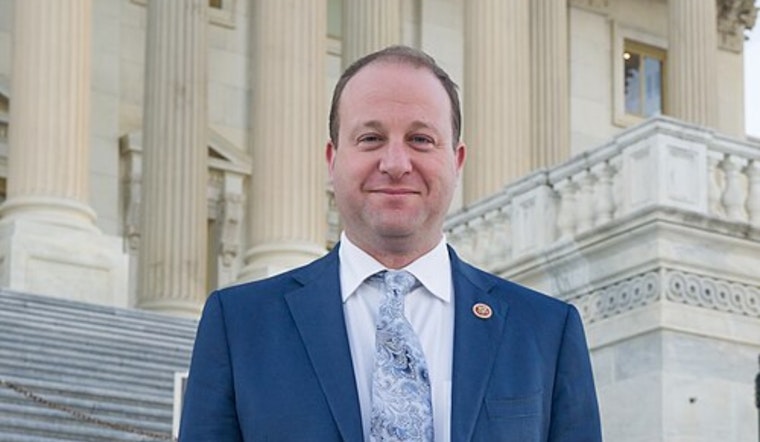
In response to the federal government’s sweeping budget legislation, H.R.1, which has drilled a substantial hole in Colorado's budget, Governor Jared Polis has summoned the state legislature back to work. The special legislative session, slated to commence on August 21, aims to stitch up the state's financial fabric torn by the unexpected shortfall. With Colorado law mandating a balanced budget, this move underscores a resolute effort to recalibrate the state’s fiscal bearings.
Addressing the quandary, Governor Polis, together with Mark Ferrandino, the Office of State Planning and Budgeting Director, has outlined a strategy to navigate through the upheaval caused by H.R.1. The Governor, who was firmly backed by Ferrandino, asserted, "Colorado actually has to balance our budget," referring to Congress' contrasting approach toward deficit and debt. In an announcement obtained by the Colorado Governor's Office, Polis explained, "This isn’t about rhetoric; this is about hard numbers and balancing our budget."
The proposed measures to plug the budget gap include closing tax loopholes, trimming spending, and administrative actions aimed at economizing the state’s expenditures. Specifically, the sale of tax credits, the alteration of qualifications for business deductions, and the reassessment of tax structures involving foreign earnings are on the docket. Moreover, the administration proposes reductions in the Home Office and Sales Tax Vendor Fees and updating legal perspectives around foreign tax havens to ensure due taxes are redirected appropriately within Colorado’s borders.
On the healthcare front, Governor Polis and his administration are considering ways to circumvent H.R.1's exclusion of specific providers from Medicaid financing, preserving access to vital services for the state's most vulnerable residents. They are also evaluating the impact of SB24-205, the bill concerning consumer protections in the realm of Artificial Intelligence, to discern its financial and operational implications for both consumers and businesses, stirred by the ripple effects of the referred bill. In tandem with these moves, a statewide hiring freeze has been declared, commencing on August 27 and extending until the year's end, a drill specifically cut out to prevent the new posting for job opportunities that would commence in 2025.





