

























































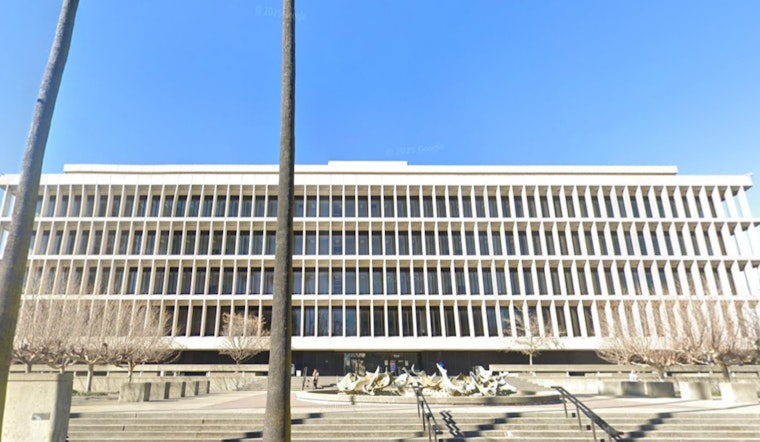
Sacramento County's approach to protecting elderly residents from financial exploitation faces intense scrutiny following a damning grand jury report that reveals over 97% of confirmed elder financial abuse cases have gone unprosecuted. The findings, delivered by the 2024-2025 Sacramento County Grand Jury, have sparked debate about whether local agencies are adequately safeguarding the community's most vulnerable residents.
According to Davis Vanguard, Sacramento County Adult Protective Services (APS) confirmed nearly 4,000 cases of elder financial abuse between 2019 and 2024. Yet only 123 of those were referred to the District Attorney's Office for prosecution, and just 99 resulted in filed charges. "This means over 97% of confirmed elder financial abuse cases have gone unprosecuted," stated Grand Jury Foreperson Elizabeth TenPas in a press release.
The demographic urgency of this issue cannot be overstated. The 2020 census reported that 16% of Sacramento County residents were 65 or older—a number expected to increase significantly. The Grand Jury noted that by 2026, the county's population of residents over 65 is projected to exceed that of residents aged 0 to 17.
Devastating Impact on Victims
As detailed by Davis Vanguard, the report found that in more than 72% of elder financial abuse cases, the perpetrator is someone trusted by the victim—such as a caregiver, family member, friend, or financial advisor. "Financial abuse can have devastating consequences for the elderly," the report states. "The financial losses from this type of abuse, even minor losses, can lead to greater reliance on others for support, including family, friends, or government assistance."
Beyond the economic strain, the report emphasizes that financial abuse often causes significant emotional and physical harm to victims, creating barriers that prevent many from reporting these crimes.
System-Wide Failures Exposed
The investigation uncovered multiple systemic problems plaguing Sacramento County's response. Per Davis Vanguard, one major issue is the APS data management system, which the Grand Jury found "is not designed to collect or report consistent information regarding referrals to law enforcement." This creates a gap in accountability, as internal reporting systems do not require consistent data entry.
TenPas stated, "Neither the District Attorney nor county law enforcement agencies have dedicated staff specifically trained to investigate and prosecute elder financial abuse." The Sacramento County District Attorney's Office admits it handles such cases only on "rare occasions." The DA's Financial Crimes and Real Estate Fraud unit only prosecutes cases involving high-dollar losses or multiple victims, allowing many perpetrators to avoid consequences.
Staffing shortfalls compound the problem. Currently, APS employs only 12 social workers focused on elder abuse, just seven of whom hold master's degrees. The report emphasizes that financial abuse cases are often more complex than other types of elder abuse and require specialized expertise.
Blueprint for Reform
The Grand Jury's recommendations include implementing a reliable data collection system for APS, requiring all law enforcement agencies to track elder financial abuse cases, and hiring specialized staff in the DA's office. According to Yahoo News, the report specifically calls for increased funding to create elder financial abuse prosecutor, investigator, and victim advocate positions.
The Grand Jury concluded that Sacramento County had no proactive strategy to combat elder financial abuse and that such cases received low prioritization. This finding takes on added significance as the county faces broader questions about resource allocation and government accountability.
Looking Ahead
As Sacramento County officials review the grand jury's recommendations, the community awaits concrete responses from key agencies including the District Attorney's Office, Adult Protective Services, and the Board of Supervisors. The grand jury system requires formal responses to its findings and recommendations, typically within 60 to 90 days.



