

























































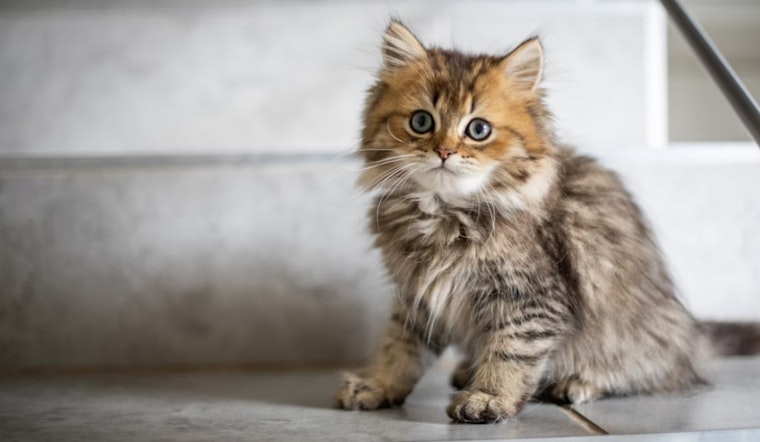
With the Volcano Cat Sanctuary on Hawai'i Island now officially a nonprofit, its founder Erin Young is to rapidly expand the refuge, not only for kittens but older cats and those with special needs. According to information from Big Island Now, the sanctuary has assisted nearly 300 kittens since its inception, finding homes for about half, with the remainder trapped, neutered, and released.
The expansion plans follow a surge in demand, triggered in part by a new bill passed by the Hawai’i County Council that could soon make it illegal to feed feral cats at transfer stations and other county properties. Young told Big Island Now, "Every day feels like a crisis," signaling a growing number of calls from people desperate to find help for their felines.
The nonprofit purchased 3 acres in Volcano for $40,000 and has started a GoFundMe campaign aiming to raise $30,000 to build infrastructure on the property. The fundraiser, as per Big Island Now, has amassed over $1,900 thus far. Young has voiced large-scale aspirations for the sanctuary, envisioning it as a potential tourist destination, inspired by the success of the Lāna‘i Cat Sanctuary, which now hosts approximately 700 rescued cats.
Meanwhile, the Volcano Cat Sanctuary outlines the critical role the facility plays in Hawai'i's ecosystem, highlighting the island as the "extinction capital of the world," with many native species threatened by invasive predators, including feral cats. The sanctuary's immediate goal, beyond rescuing kittens, is to stabilize and then reduce the local feral cat population, which will concurrently protect other native flora and fauna.
Work has commenced on developing the new sanctuary site, with fencing covering two-thirds of an acre already in place. Young aims to have the expanded sanctuary operational by year's end, especially in light of the impending restrictions on feeding feral animals on county land. As the fine for violating the new law could reach $500 for repeat offenses, the pressure mounts to provide a safe haven for the island's homeless cats. According to a statement obtained by Big Island Now, the target for the sanctuary, if successful, is to "open other locations or help others replicate what we have done."




