

























































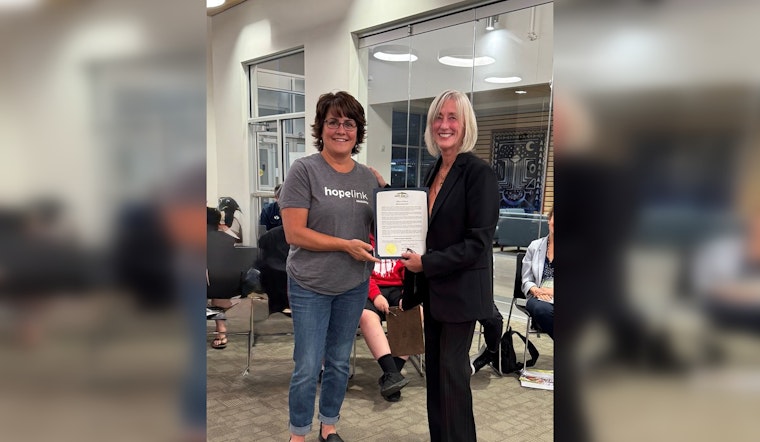
In a bold move to encourage a shift away from personal vehicles and towards more sustainable modes of transportation, North Bend Mayor Mary Miller has designated the upcoming days from September 29 through October 5 as "Week Without Driving." The initiative aims to get residents to try alternative transportation, according to a statement from the City of North Bend during a City Council meeting on September 16. "I encourage all community members to use public transportation, walk, ride a bike – whatever that looks like to you – and use ride sharing options including carpooling for your everyday travel needs," Mayor Miller said in a statement. This move comes as an acknowledgment of the 30 percent of Washington residents who do not drive, including people with disabilities, young people, seniors, and those who are unable to afford a vehicle or gas.
During the announcement, Mayor Miller highlighted that experiencing a week without driving could open eyes to the ways in which the current transportation system could be more inclusive and better meet residents' needs. Standing in stark contrast to the apparent majority, nondrivers often face limited options in accessing services that are essential to their livelihoods in rural areas like North Bend. A car, for some, is more than a luxury—it is a lifeline that they do not have.
Lyn McCarthy of Hopelink’s Snoqualmie Valley Mobility Coalition was present to accept the proclamation. McCarthy's role focuses on aiding those striving to transition out of poverty—a challenge compounded by transportation constraints. "The problem is that people need a way to get services - employment, education, housing, food. Especially in rural areas like where we live, transportation is limited for those folks," McCarthy told the council, as reported by the City of North Bend. Her presence served to underscore the value of improving transportation access as a means to effectively support vulnerable populations.
Organizers are hopeful that "Week Without Driving" will not just raise awareness but also spur action among policymakers and the public. By stepping into the shoes of people who rely on public transit or other means to get by, the community can more deeply understand the urgency of transportation reform. Considering the struggles faced by non-drivers, Miller's proclamation may act as an eye-opener for residents often ensconced in a culture of private vehicle dependency. Expected to unfold is a dialogue on how to enact change, sparked by residents who will attempt to navigate life on the move without turning an ignition key.





