

























































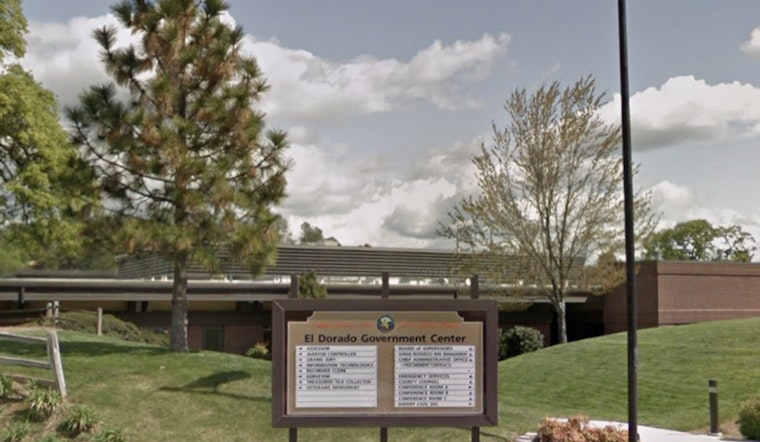
Settlement has finally been reached in the prolonged traffic impact fee litigation in El Dorado County. The El Dorado County Board of Supervisors announced on its website that an agreement had been executed to bring the nearly decade-long legal battle of Thomas and Helen Austin v. El Dorado County to a close, ending the dispute over California's Mitigation Fee Act compliance.
Caught in a tangle of what the Board describes as "novel issues" that probed the intent behind state legislation, the County defended its use of traffic impact fees collected to mitigate the effects of new development on transportation infrastructure. In an outcome revealing the legal system's complexity, the instructed refund spans fees collected over nearly two years, from 2015 to 2016. According to the El Dorado County official site, this resolution cuts their refund exposure by roughly half, an acknowledgment of an austere reprieve within an unfavorable decision.
Supervisor Brian Veerkamp expressed the County's response, saying, "The County remains disappointed in the outcome of this litigation," as quoted on the El Dorado County official site. Despite the setback, Veerkamp emphasized the traffic impact fee (TIF) program's role in supporting vital transportation projects by ensuring that new development contributes its share to costs.
Superintendent Lori Parlin also chimed in, underscoring the lawsuit's potential repercussions on the El Dorado County General Plan objectives and infrastructure delivery. She pointed out, "The Austins’ lawsuit and the court’s ruling will affect the County’s ability to meet the General Plan’s goals and to deliver the infrastructure that is critical to the well-being of the County." The total settlement figure stands at $14,769,601, with the lion's share directed back to eligible property owners and a minor stipend to the Austins who initiated the suit.
In the upcoming months, the method for disbursing prorated refunds will be determined by the Board and may take several forms, including direct payments or fee credits. Once authority figures decide on a method, they will identify eligible property owners and begin the complex process of payments, a procedure that could extend over seven months or more, as detailed in their announcement. This legal resolution may signal a turn for the County's affairs, yet the broader impact on its infrastructure and financial health remains to be seen as refunds roll out to those who have kept a close eye on this case—homeowners and policymakers alike.





