

























































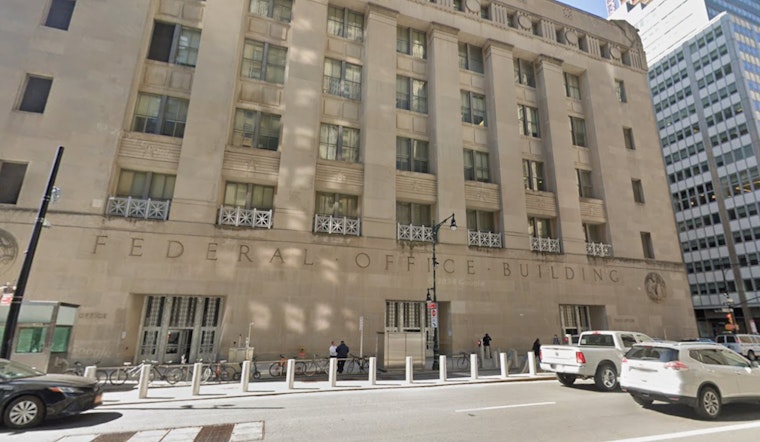
The federal government shutdown that began October 1 is casting a shadow over New York City's massive public housing system, with funding for critical operations at risk if the political stalemate drags into next month. For the 400,000-plus New Yorkers who call NYCHA developments home, the uncertainty marks yet another challenge in a year already marked by funding crises and federal policy turbulence.
The Department of Housing and Urban Development will likely exhaust its funding for public housing authorities under the Section 9 program after November payments go out, according to Gothamist. That's unless Congress manages to pass a continuing spending resolution—which, given the current partisan gridlock, feels increasingly uncertain. The shutdown began when the budget expired and lawmakers failed to reach a compromise.
Section 8 Gets a Temporary Reprieve
There's somewhat better news for Section 8 voucher holders, at least for now. HUD officials say they plan to continue issuing payments to help cover rent through the end of the year, even as other programs face funding cliffs, as reported by Gothamist. But agency officials warned that a prolonged shutdown would eventually impact all payments for people living in subsidized housing. This disparity in funding outlooks stems from how Congress appropriated money—Section 8 received advanced funding before the shutdown, while Section 9 public housing operating funds did not, according to Gothamist.
For context, NYCHA receives roughly $200 million monthly from HUD to administer the nation's largest Section 8 program, serving about 96,000 voucher recipients across the five boroughs. Meanwhile, HUD provides approximately $100 million each month for public housing operations—representing about two-thirds of NYCHA's total operating budget—to maintain 335 developments citywide, according to Gothamist. The city's Department of Housing Preservation and Development also receives more than $55 million monthly to run a smaller Section 8 program for roughly 36,000 households.
What's at Stake for Tenants and Landlords
"This is funding that people rely on that helps them pay the rent each month," Will Fischer, director of housing policy at the Center on Budget and Policy Priorities, told Gothamist. If HUD stops making public housing payments, he warned, it "would have really serious consequences for housing agencies' ability to maintain those developments, to cover things like utility costs and do a whole set of things they need to do to keep those developments safe."
According to City Limits, most tenants in federally subsidized housing shouldn't experience immediate disruptions and should continue paying their portion of rent. However, the National Housing Law Project cautioned that if the shutdown extends past November, tenants' rights might change and they should seek legal counsel for updated information.
NYCHA spokesperson Michael Horgan said the authority hasn't received "direct guidance" from HUD about Section 8 or public housing payments beyond October, according to Gothamist. "We'll work to notify landlords and residents of any relevant developments as soon as clear direction from HUD is provided," Horgan stated.
Another Crisis in a Year of Housing Uncertainty
This shutdown threat arrives during what's been a tumultuous period for federal housing programs under the Trump administration. Earlier this year, NYCHA delayed payments to landlords in February when HUD was slow to release Section 8 funding. In March, the administration informed housing authorities nationwide that an emergency pandemic-era rental assistance program was nearly depleted, forcing agencies in New York and New Jersey to scramble to replace vouchers for more than 8,000 low-income households, as reported by Gothamist.
The Trump administration has also floated dramatic rule changes that could impose two-year limits on housing subsidies for "able-bodied recipients"—a proposal that would upend the current reality where New York voucher holders use assistance for an average of 15 years, according to analysis from the Community Service Society.
Political Blame Game Intensifies
As Gothamist reported, HUD blamed the shutdown on "the left"—a message prominently displayed at the top of the agency's website, which some legal experts suggest may violate the 1939 Hatch Act prohibiting federal employees from engaging in political activity in their official capacity. Congressional Democrats counter that they won't approve a continuing spending bill unless Republicans and the Trump administration reverse deep Medicaid cuts and extend health care tax credits for millions of Americans. Republicans currently control both the presidency and Congress.
The standoff has already furloughed more than 100,000 federal workers across New York State, according to City Limits. For New York City's housing sector—where statewide, more than one million residents rely on Section 8 vouchers—the stakes couldn't be higher.
Why This Matters Now
NYCHA's financial precariousness has deep roots. Federal funding for public housing has declined precipitously since the 1980s, leaving the authority with an estimated $78 billion in capital needs, according to NYU's Furman Center. The agency faces roughly $100 million monthly in Section 9 operating subsidies—money that keeps aging buildings functional and safe—but those funds consistently fall short of actual costs.
Policy experts and tenant advocates emphasize that consistent federal payments aren't just bureaucratic formalities—they're lifelines. Interrupted funding threatens eviction proceedings for low-income renters, undermines landlord confidence in accepting vouchers, and jeopardizes basic building maintenance like heating systems and elevator repairs. According to Fiscal Policy Institute, federal funds comprise 68 percent of NYCHA's overall operating budget when Section 8 is included.
For now, residents and landlords can only wait and watch Washington. NYCHA leadership has pledged to communicate any developments as soon as federal guidance arrives. But in neighborhoods across the Bronx, Manhattan, Brooklyn, Queens, and Staten Island where NYCHA developments are concentrated, the message is clear: the city's most vulnerable residents are once again caught in the crossfire of federal dysfunction.





