

























































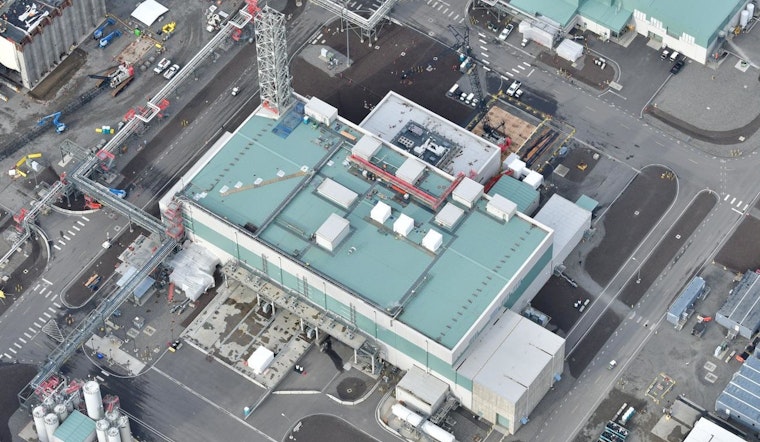
In an unprecedented move for environmental reform, Governor Bob Ferguson and the Washington State Department of Ecology have witnessed the transformation of hazardous nuclear waste into glass at the Hanford Site's Low-Activity Waste Facility. This ambitious project, which was decades in the making, signifies a crucial step in ensuring the safety and sustainability of the Pacific Northwest region. The process, coined "hot commissioning," has begun in advance of the Oct. 15 deadline mandated by an agreement between Washington state and the U.S. Department of Energy, as published by governor.wa.gov.
At the heart of the Hanford Site cleanup, deteriorating underground tanks once destined for long-term storage are now seeing their contents encapsulated into a more secure and enduring form. "It’s difficult to overstate how important this milestone is in the Hanford cleanup effort," Governor Ferguson told governor.wa.gov. As workers and communities throughout Washington witnessed, the once volatile waste is slowly yielding to a state of inert stability.
It is a feat of engineering and environmental stewardship, said Casey Sixkiller, director of the Washington State Department of Ecology, echoing sentiments of pride and the immensity of this environmental victory. "Transforming this waste into glass offers the best protection for the environment and communities across the Pacific Northwest," Sixkiller expressed in awe, as reported by governor.wa.gov. A massive effort converging the intent of leaders, businesses, and workers has forged this new reality from the crucible of past negligence.
Additionally, the Washington State Department of Health has played a pivotal role by providing eight radioactive air emissions licenses, underlining their continued commitment to protect the health and safety of Washington residents. "These licenses affirm our ongoing commitment to protecting the health and safety of Washington communities," stated Washington State Secretary of Health Dennis Worsham. His statement, obtained from governor.wa.gov, ensures that even as the waste begins its transformation, the overwatch of such monumental operations will strive to maintain the highest standards.
The path to this point is one paved with years of planning, environmental testing, and legal measures. The site's history is marred with the production of over 67 tons of plutonium, and the remains are 56 million gallons of highly radioactive waste now being corralled into a semblance of safety. The Low-Activity Waste Facility's journey began in June 2002, with a concrete pour that held the promise of a cleaner future, a future that is now steadily crystallizing with the promise of a grout encapsulated disposal for a portion of the waste, as detailed by governor.wa.gov.
The operation is not merely a machinery of tanks, melters, and glass; it is a testament to the perseverance and dedication of generations who hope to see the shadow of nuclear peril converted into a beacon of environmental courage. The journey towards full operations of the Waste Treatment Plant will continue over the coming months, always within the vigilant sight of the Ecology's regulatory oversight. With the target year of 2033 set to commence vitrification of the more hazardous high-level waste, the Hanford Site's ledger of liabilities slowly turns a page towards restitution and remediation.





