

























































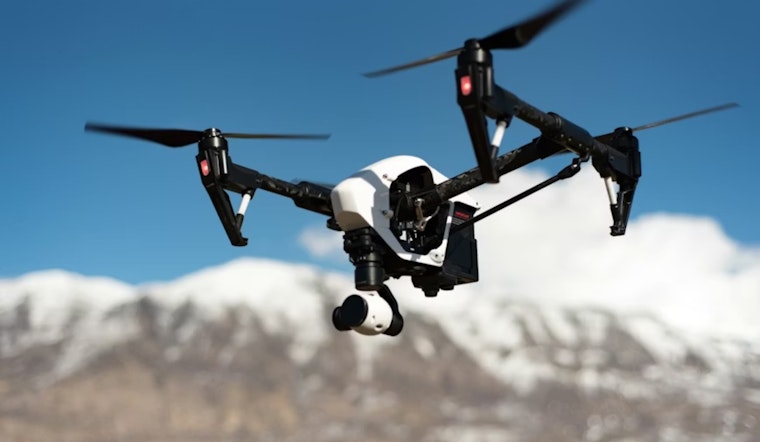
Senator Ashley Moody, in a concerted effort with Congresswoman Jen Kiggins, is making strides to ensure the sanctity of national security through proposed legislation aimed squarely at neutralizing the threat posed by drones. The "Drone Espionage Act," which seeks to outlaw the unauthorized video surveillance of U.S. military installations, is proposed to be a significant addition to the Fiscal Year 2026 National Defense Authorization Act (NDAA). In the past, drones have increasingly been utilized by hostile entities, particularly those representing the interests of China, to quietly amass footage of America's sensitive defense sites.
As the law stands, capturing still photographs of such sites falls under the prohibitive mantle of the Espionage Act of 1917, but our modern era, replete with rapidly advancing technology, has outpaced the language and scope of this century-old statute, thereby leaving a gaping vulnerability for adversaries to exploit with ever-evolving video technology, the very fact that Moody and Kiggins aim to rectify. In a letter addressed to the leadership of the Senate and House Armed Services Committees, as documented by Senator Moody's office, both legislators underscore the urgency of this amendment citing various incidents, including one in the Middle District of Florida where prosecutors were hamstrung by the current legislation, unableto charge a suspect with more than the possession of still images despite an abundance of video evidence.
The proposed Drone Espionage Act intends to specifically amend Section 793 of title 18, United States Code, to include "video" as a prohibited form of information-gathering on sensitive national defense sites. This amendment would bolster the integrity of U.S. national security measures by criminalizing the act of unauthorized videography at such locations, holding potential threats accountable under federal law. In their communique, Moody and Kiggins convey, per Senator Moody's office, "The only way to uphold the integrity of our national defense sites is to ensure our laws are updated to meet the technological advancements of the times."
In addition to the Florida incident, numerous other cases punctuate the narrative of this legislative pursuit. These events serve as stark reminders of the omnipresent threat, with documentation of espionage attempts across the United States, including Virginia's naval shipyards and varied Space Force bases in California and Florida. These are not isolated occurrences but part of a broader, more alarming trend in which the aerodynamic agility of drones presents a recurrent challenge to our national defenses, a challenge that the Drone Espionage Act aspires to confront head-on. As further outlined by Senator Moody’s press release, the examples of espionage activities undertaken by foreign nationals, particularly those emanating from China, indicate a pattern of attempts to glean classified information through unmanned aerial vehicles.





