

























































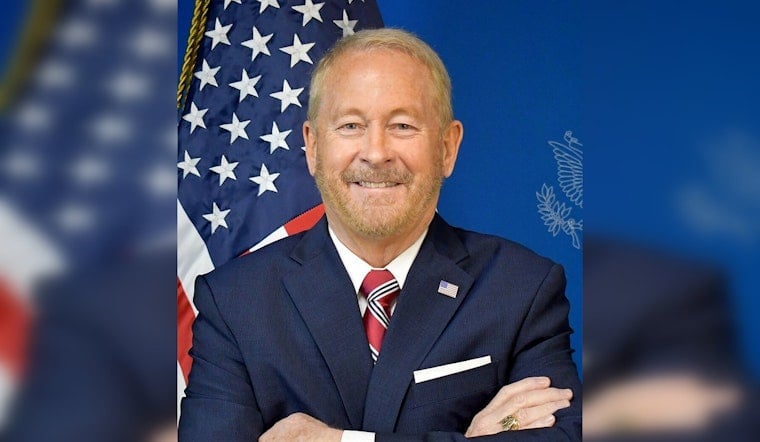
The groundbreaking for a multibillion-dollar methanol plant near Los Mochis last week was supposed to be a feel-good victory lap. Instead, the U.S. ambassador to Mexico used the stage to drop a blunt warning: Washington may move beyond visa bans and start pursuing legal action against allegedly corrupt Mexican officials. Delivered in front of investors and officials, the message signaled a potential escalation in U.S. tactics that could ripple through politics and trade at a fragile moment for North American commerce. Businesses, local politicians and border communities are now watching closely as a development ceremony turned into a diplomatic pressure point.
Ambassador's message at Los Mochis ceremony
As reported by Los Angeles Times, Ambassador Ronald Johnson opened by praising the Pacifico Mexinol project, then pivoted to a sharp warning about corruption. Corruption, he said, "raises costs, weakens competition and erodes trust," adding that investment "flows when the conditions are right, and it dries up when they are not." Local officials have described the Pacifico Mexinol plant as roughly a $3.3 billion investment, marketed as an ultra low emissions methanol facility. Protesters in Sinaloa forced the ceremony indoors and trained their anger on the governor who was scheduled to speak, underscoring simmering local unease.
What Washington could do next
According to Reuters, U.S. officials have privately urged Mexico to investigate and prosecute politicians suspected of ties to organized crime, while also floating extraditions and other measures as leverage. The reporting describes Washington's approach as a months long strategy, not an off the cuff scolding, and notes that tariff threats have figured into the push. Taken together with past visa cancellations, it all points to a broader toolkit the U.S. may deploy in the name of accountability.
Groundbreaking, protests and money at stake
The Pacifico Mexinol project represents a major infusion of investment and jobs in a state long associated with cartel activity, which is one reason the optics around the ceremony mattered so much. As reported by Los Angeles Times, moving the event indoors and the protesters' chants aimed at Gov. Rubén Rocha Moya highlighted how political controversy can cling to even the shiniest development project. For companies weighing big bets in Mexico, the Los Mochis scene served as a reminder that political risk can rival market fundamentals.
Mexican reaction and political risks
Mexico's president, Claudia Sheinbaum, tried to lower the temperature at her morning briefing, saying "that’s exactly what we’re working on," according to El País. Her response walked a familiar tightrope, signaling cooperation with Washington while also reassuring Morena supporters about national sovereignty and due process. The exchange has already become talking-point material for domestic critics who argue that too much outside pressure risks triggering a nationalist backlash.
Legal implications
The U.S. has already leaned on visa revocations as a tool. Reuters reported in October 2025 that Washington canceled visas for more than 50 Mexican politicians, and officials now say the next phase could include indictments or using detainees as informants. As Reuters points out, going after sitting governors or federal lawmakers would run into legal and constitutional obstacles in Mexico, where some officials enjoy immunities that require congressional approval before criminal charges can proceed. That built in friction means any enforcement push will unfold inside a complicated cross border legal and political maze.
For border communities and companies invested in Mexican projects, the outcome will matter long after the headlines fade. It could reshape who counts as a safe partner and how much scrutiny foreign investors expect. For now, Johnson's warning has left business leaders and Mexican officials waiting to see whether the Los Mochis ceremony was the opening shot in a sustained campaign or a single, very pointed diplomatic message.



