

























































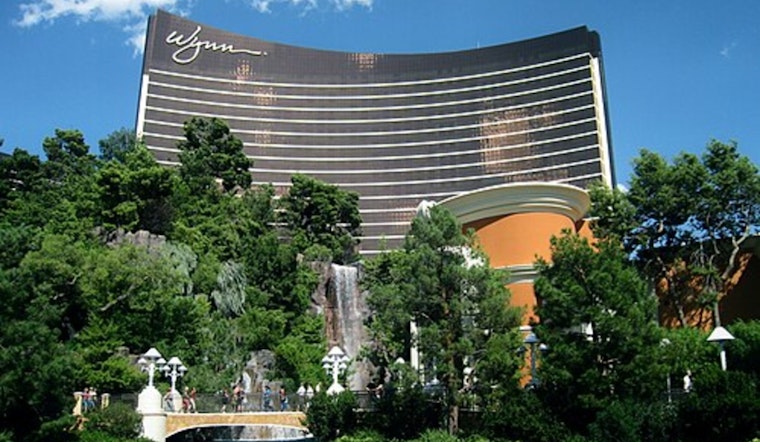
A sprawling cash pipeline running through Wynn Las Vegas and other Strip hotspots quietly pushed stacks of dollars into the hands of transnational criminal groups, according to a sweeping investigation that has rattled Nevada’s casino industry. Law enforcement says networks of so‑called underground bankers, casino intermediaries, and proxy bettors helped foreign gamblers place huge wagers with money routed around traditional banking controls, triggering federal forfeitures, a state regulatory settlement, and a string of criminal cases against alleged middlemen.
According to CNN, investigators pored over a seized DEA intelligence report and hundreds of pages of court records to trace how cash allegedly flowed from China into U.S. casinos through fixers, then on to criminal organizations. Wynn disclosed the federal resolution in filings with the SEC, saying its Las Vegas resort agreed to forfeit about $130 million under a federal non‑prosecution agreement tied to those transactions.
State Regulators Penalize Wynn
The Nevada Gaming Control Board followed with its own hit, approving a $5.5 million settlement over the same compliance breakdowns at Wynn Las Vegas. The Las Vegas Review-Journal reported that regulators accused the company of failures around a scheme to recruit high rollers, while Wynn said the improper actions were carried out by individuals from whom it had cut ties years earlier. The Nevada Independent noted that the settlement also requires Wynn to bolster anti‑money‑laundering controls at the resort.
How Investigators Say The Pipeline Worked
Investigators told CNN that casino hosts frequently steered cash‑strapped gamblers to unlicensed money transmitters who would quietly deliver U.S. dollars to players on the floor or in private rooms. In effect, funds sitting in Chinese bank accounts were turned into chips in Las Vegas, without touching the formal cross‑border banking system.
The reporting describes proxy play, known as “human head” gambling, and techniques law enforcement documents call "qian chen" or "flying money." Undercover operations in 2019 recovered bulk cash, investigators say was tied to those off‑book transfers, underscoring how deeply the system had embedded itself in high‑roller play.
Prosecutions And Guilty Pleas
Federal prosecutors say the broader probe has already produced charges and guilty pleas from several operators of underground money‑transmission businesses. The U.S. Attorney’s Office in San Diego announced that Bing Han and Lei Zhang admitted operating unlicensed money‑transmitting outfits. Local reporting and court documents show others, including Liang Zhou and Fan Wang, later pleaded guilty to similar offenses and forfeited funds tied to their operations. Coverage of Zhou’s plea appears in reporting by KTNV, and news‑wire copies of federal filings outline related forfeitures.
Legal Implications
"The United States stands vigilant against the constantly evolving ways in which individuals and organizations seek to operate outside the conventional financial system," U.S. Attorney Robert Brewer said in that filing. Prosecutors have leaned on statutes such as 18 U.S.C. § 1960, which targets unlicensed money‑transmitting businesses, alongside anti‑money‑laundering reporting rules under the Bank Secrecy Act, to go after the alleged middlemen and seize what they describe as ill‑gotten gains.
A National Pattern
Officials say what surfaced in Las Vegas looks a lot like a national trend. U.S. authorities have in recent years flagged Chinese‑linked underground banking networks that launder funds for Mexican drug cartels and other criminal groups, turning ordinary financial flows into quiet channels for illicit profits, according to Reuters. That pressure has pushed regulators and banks to tighten their grip on high‑roller activity and foreign cash moving through casinos, even as officials concede the systems remain tempting targets for creative workarounds.
Wynn has said it cooperated with investigators, terminated employees tied to the conduct and adopted tougher controls. Still, the scrutiny marks a clear regulatory and reputational warning shot for Strip operators that depend heavily on international VIP play, the Las Vegas Review-Journal reported. As federal and state authorities continue to press forfeitures and settlements, Las Vegas casinos are likely to face sustained pressure to reinforce anti‑money‑laundering safeguards around VIP gamblers and the third‑party agents who court them.





.jpg)