

























































Howard Hughes Corp. has locked in a fresh $300 million refinancing on Downtown Summerlin, the developer’s roughly 400-acre mixed-use playground on the western edge of the Las Vegas Valley. The new debt blankets the project’s retail, office, residential and hospitality holdings, a lineup that includes office towers, apartment communities and the Red Rock Casino. The transaction was reported Tuesday.
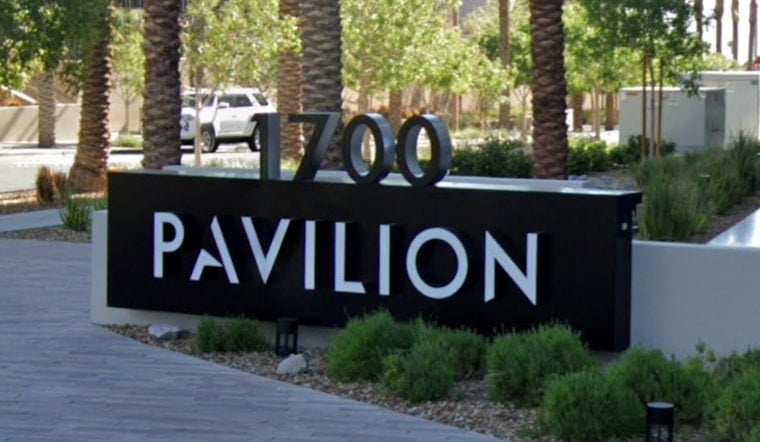
According to ConnectCRE, the $300 million note was issued by U.S. Bank. The report states that the refinancing applies to Downtown Summerlin, a development Howard Hughes has kept building out since the first phase opened in 2014. ConnectCRE calls out key assets inside the district such as ONE Summerlin, Two Summerlin, 1700 Pavilion, the Tanger residential phases, Constellation and Red Rock Casino Resort & Spa.
How the loan fits Howard Hughes' balance sheet
Howard Hughes has been busy reshaping its debt stack to push out maturities and keep liquidity healthy. As outlined in Howard Hughes’ 2025 financial highlights, the company redeemed $750 million of 2028 senior notes and sold new senior notes due in 2032 and 2034 earlier this year. That combination may give the company added flexibility to back new development and tenant upgrades across its master-planned communities, with Downtown Summerlin sitting near the top of the list.
What Downtown Summerlin contains
Downtown Summerlin spans roughly 400 acres, and its first phase, delivered in 2014, covered about 106 acres with roughly 1.4 million square feet of mixed-use development. The district includes three Class A office buildings - ONE Summerlin, TWO Summerlin and 1700 Pavilion - along with multifamily communities and entertainment anchors such as City National Arena and Las Vegas Ballpark. The retail core’s official address is 1980 Festival Plaza Drive in Summerlin, according to Summerlin’s fact sheet.
Leasing health and local stakes
Howard Hughes’ reporting shows Summerlin’s stabilized retail portfolio has reached full lease-up, and the development’s office holdings finished the year with occupancy roughly in the mid-90s, signaling steady tenant demand rather than a roll of the dice. Those performance metrics, along with the company’s elevated land-sale results highlighted in its 2025 financial materials, help explain why lenders are comfortable at the property level. The mix of predictable cash flow and the company’s recent corporate debt moves frames why a new note on Downtown Summerlin made sense, though lenders and formal filings will spell out the exact terms.
The refinancing was first reported by ConnectCRE, and official loan documents or company filings are expected to provide fuller detail on maturity and covenants once they are posted. We will continue to watch filings and local records for confirmation on whether this note replaces prior financing or sits as a new property-level lien on the Downtown Summerlin district.


