

























































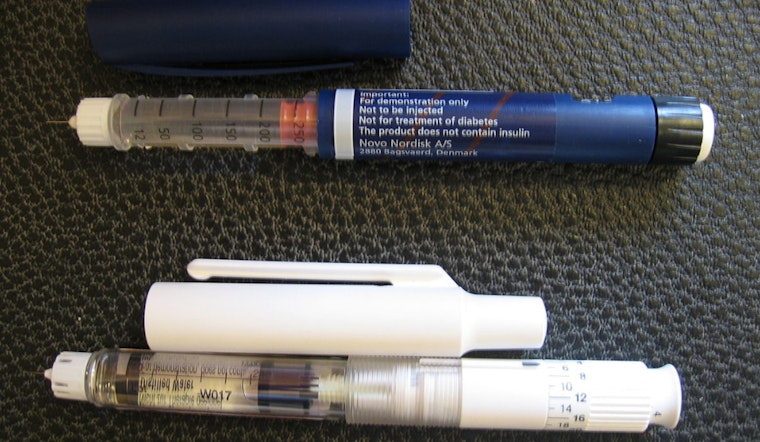
CVS, a national retail pharmacy chain, has reached a $37.76 million settlement related to claims of over-dispensing insulin pens to patients enrolled in government healthcare programs. The settlement resolves a healthcare fraud lawsuit covering alleged practices that occurred between 2010 and 2020.
CVS pharmacies were found to have submitted reimbursement claims for early refills, dispensed insulin beyond patients’ needs, and underreported the days-of-supply, which may have limited the system’s ability to prevent premature refills. According to the U.S. Attorney’s office, these practices led to higher-than-necessary payments by insurers for insulin, affecting funds designated for the healthcare of individuals on government programs.
The settlement includes an acknowledgment by CVS of responsibility for certain patterns of conduct. U.S. Attorney Jay Clayton stated that CVS repeatedly refilled insulin prescriptions prematurely over a period of ten years and billed government healthcare programs for more insulin than patients required.
As part of the settlement, CVS will pay $24,446,240 to the United States, with the remaining funds distributed among various states. The payments are intended to reimburse affected programs and address the billing practices identified in the case.
Government officials emphasized the significance of the case. Naomi D. Gruchacz, Special Agent in Charge of the HHS-OIG, noted the ongoing efforts to investigate allegations of improper billing in order to protect the federal healthcare system and the enrollees who depend on its programs. Derek M. Holt, Special Agent in Charge of the OPM-OIG, stated that submitting claims for insulin refills beyond medical necessity affects federal employee benefits and increases costs within the system.
The settlement involved collaboration among several investigative bodies, including the Department of Health and Human Services, the Department of Defense, and the Office of Personnel Management. Assistant U.S. Attorney Pierre Armand, who handled the case, highlighted the coordinated effort to address fraud and maintain the integrity of the federal healthcare system. The case emphasizes the importance of adhering to healthcare regulations.





