

























































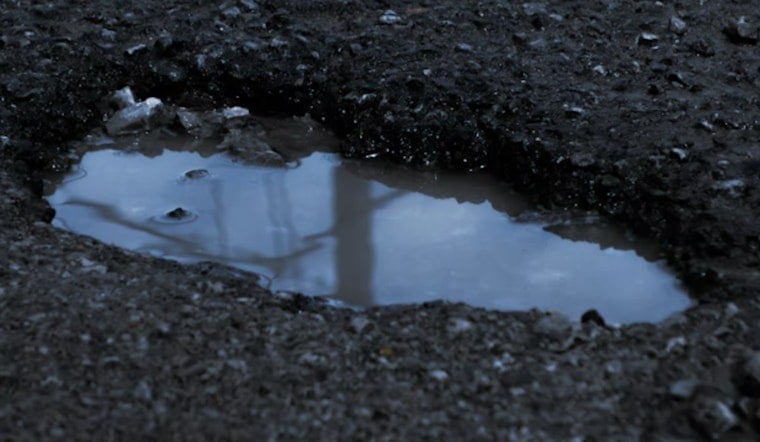
Houston drivers are not imagining the jolt every time they hit a crater in the road. Between blown tires, bent rims and repeat trips to the mechanic, local streets are turning into a running tab for a lot of commuters. A new review by the national transportation research group TRIP finds that 51 percent of state- and locally maintained roads in the Houston metropolitan area are in poor condition, the worst share among major Texas metros. By comparison, Dallas–Fort Worth comes in at 45 percent, San Antonio at 36 percent and Austin at 14 percent, according to TRIP.
Drivers say the numbers line up with their repair bills. One Houston motorist told local TV she shelled out more than $400 after hitting a pothole at Kirkwood and West Belfort, a case reported by Click2Houston. City officials highlight their 311-based pothole tracker and say crews aim to fill most citizen-reported holes by the next business day; the tracker and program details are posted at HoustonPotholes.org.
Why the roads keep breaking down
Transportation researchers and local officials point to a familiar mix behind the failing pavement: rapid population growth, heavy freight traffic, frequent flooding and chronic underinvestment. Add Houston’s tricky soils and weather swings to that list, and short-term patches tend not to last very long, as reported by the Houston Chronicle.
Who fixes Houston's streets
Responsibility for repairs is split. The Texas Department of Transportation maintains state highways and farm-to-market roads, while city crews run the pothole program and handle most neighborhood streets. That division often means repairs require coordination across agencies; more details are available from TxDOT and on the city’s tracker at HoustonPotholes.org.
Big money, slow timelines
TRIP’s statewide analysis notes that ballot measures and other funding boosts have funneled nearly $40 billion from Propositions 1 and 7 into Texas highways, improving many major corridors but not instantly fixing local neighborhood streets. State and local leaders have floated additional billions in transportation spending, yet neighborhood-level resurfacing is still expected to roll out over years, not months, according to the Houston Chronicle.
What drivers can do
If your car loses a fight with a pothole, start by documenting everything: take photos of the damage, get repair estimates and keep every receipt. Then file a 311 report and hang onto the reference number so you can track it. Local coverage walks through small-claims and insurance options for drivers and flags the city’s tracker as the quickest way to get a crew dispatched, per Click2Houston.



