

























































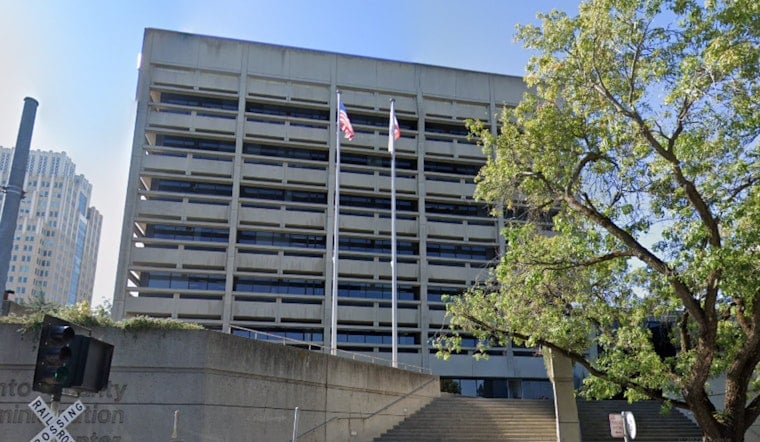
Two of Sacramento’s community media nonprofits are racing to combine forces just as a key county budget line threatens the money that keeps their local channels on the air and their training programs open. Access Sacramento and the Sacramento Educational Cable Consortium say a merger is their best shot at preserving student media education and neighborhood-focused programming, but county staff projections of shrinking cable revenue have both groups scrambling. Leaders postponed a September vote so the organizations could finish merger plans and firm up a funding request, and the fate of that strategy now hangs on a Sacramento Metropolitan Cable Television Commission meeting Thursday at 2:30 p.m.
Leaders delayed the September vote after county staff floated a proposed budget that would sharply cut commission grants, and the nonprofits have asked the county to keep their PEG and operating funding intact through fiscal year 2026-27, according to The Sacramento Bee. The Bee reported that county staff modeled revenue declines of 15%, 20% and 25%, citing a Buske Group analysis showing that under a 15% year over year drop, available cable revenue could fall to roughly $8 million next year and about $5 million by the end of the decade. Joe Barr, Access Sacramento’s board chair, told the paper the nonprofits postponed the vote after the cuts were proposed and said Commission Executive Director Shawn Ayala "had not met" with both organizations ahead of the budget discussion.
Nonprofits propose integration
The Sacramento Educational Cable Consortium and Access Sacramento say their plan would fold operations into a single, modern media organization, with SECC as the principal governing and fiscal entity while bringing Access Sacramento’s staff, programs and assets into SECC’s structure. SECC's public funding update frames the move as a way to preserve school-focused services, expand community media and move from a cable-only model to a digital-first approach that leans on streaming, training and workforce development. In that update, the nonprofits formally requested that the commission maintain 100% of SECC and Access Sacramento PEG and operating funding for fiscal years 2025-26 and 2026-27, per SECC.
County projections and the commission's role
The Sacramento Metropolitan Cable Television Commission, the joint county-and-cities board that runs Metro Cable 14 and provides grant support to local public-media licensees, oversees the budget and meets quarterly to approve allocations. Per the Sacramento Metropolitan Cable Television Commission, the panel sets policy for Metro Cable 14 and the related channel licensees. County staff presented multiple revenue scenarios at a September meeting, and those projected declines helped drive the budget proposal that put nonprofit support at risk, as reported by The Sacramento Bee.
What’s at stake for local media and students
Access Sacramento operates local channels 17 and 18, runs low-cost media classes, lends equipment, provides studio time and streams local programming, services leaders say are central to neighborhood storytelling and hands-on media training. The SECC/Access integration, organizers say, is designed to protect those education and workforce programs while gradually building a more diversified revenue mix. Access Sacramento documents its community role and programming on its website, which outlines classes, production resources and distribution platforms serving the region's schools and neighborhoods. For more on the group's work, see Access Sacramento.
The commission meeting Thursday will be the first big test of whether county leaders agree to hold PEG and operating funds while the integration moves forward. SECC has asked supporters to send public comments to the commission clerk, Danielle Beshears, and to note the request to retain PEG and operating funds through FY2026-27; the nonprofit's funding update includes contact instructions and a short-term plan for financial neutrality during the transition. Supporters can watch the meeting on Metro Cable 14 or the commission livestream and follow the commission's decision on what happens next for local public media.





